

Many language learners hesitate to start learning Arabic because they believe it is extremely difficult. But how hard is it to learn Arabic really? The answer depends on several factors, including your native language, learning methods, and dedication.
In this guide, we will explore the challenges of learning Arabic, what makes the language unique, and practical tips to help you learn it faster.
Why Do People Think Arabic Is Hard to Learn?
Many people believe Arabic is one of the most difficult languages for English speakers to learn. This reputation mostly comes from how different Arabic is compared to many Western languages.
Another reason is that the Arabic language origin tree shows that Arabic belongs to the Semitic language family, which is very different from the Germanic and Romance languages most English speakers are familiar with. Because of these differences, the structure and vocabulary of Arabic may feel unfamiliar at first.
For someone starting from scratch, several things can make Arabic feel challenging at first:
- A completely different alphabet
- Writing that goes from right to left instead of left to right
- Grammar rules that may seem complex in the beginning
- Different dialects spoken across many Arabic-speaking countries
At first, these differences can feel a bit overwhelming. But the good news is that once learners become familiar with the alphabet and basic structure of the language, Arabic often starts to feel much more manageable than they initially expected.
How Hard Is It to Learn Arabic?
Many beginners wonder, how hard is it to learn Arabic. The truth is that while Arabic can be challenging, it’s definitely not impossible to learn. In fact, millions of people around the world start learning Arabic every year for different reasons; whether for travel, business, religion, or simply a deep interest in the language and its rich culture.
Language experts often classify Arabic as a Category IV language for English speakers, which means it usually takes more time to learn than languages like Spanish or French. This is mainly because the writing system, sounds, and grammar are quite different from English.
Difficulty of Learning Arabic depends on:
- How consistently you study
- The quality of the learning resources you use
- Whether you get the chance to practice with native speakers
- How much exposure you have to Arabic in daily life
With regular practice and the right approach, learners can steadily build their vocabulary, improve pronunciation, and become more comfortable with Arabic grammar.
Explore: Easy Arabic Course for English Speaking Students
What Makes the Arabic Language Challenging?
Arabic has several unique features that can make it feel challenging for beginners, especially for people who are used to languages like English.
1. The Arabic Alphabet
Arabic uses a script that is completely different from the Latin alphabet. It consists of 28 letters, and many letters change shape depending on their position in a word.
2. Right-to-Left Writing
Arabic is written and read from right to left, which can feel unusual at first for learners who are used to left-to-right languages. However, most students get comfortable with this direction fairly quickly after some practice.
3. Pronunciation
Arabic also includes several sounds that don’t exist in English or many other languages. Because of this, pronunciation can take some time to master. Listening to native speakers and practicing regularly help learners gradually improve these sounds.
4. Dialects
Arabic has many regional dialects such as Egyptian, Levantine, Gulf, and Moroccan Arabic. These dialects can differ significantly from each other.
How Arabic Grammar Affects Learning Difficulty
Arabic grammar is another aspect that many learners find challenging.
The language uses a root-based system, where most words are formed from a set of three root letters. These roots are combined with patterns to create related words.
For example, one root can produce multiple words related to the same concept.
Other grammatical features include:
- Gender-specific nouns and verbs
- Different verb forms and patterns
- Case endings in formal Arabic
While these rules may seem complex at first, they also create a logical structure that helps learners understand how words are connected.
Is Modern Standard Arabic Easier Than Dialects?
When starting to learn Arabic, many students wonder whether they should focus on Modern Standard Arabic or a regional dialect.
Modern Standard Arabic (often called MSA) is the formal version of the language used in:
- News broadcasts
- Books and literature
- Schools and universities
- Government and official communication
Because it is understood across the Arabic-speaking world, many learners start with Modern Standard Arabic to build a strong foundation.
However, everyday conversations in different countries are usually spoken in regional dialects. For example, Egyptian Arabic is one of the most commonly understood dialects because of the popularity of Egyptian television, movies, and music.
A common approach is to start with Modern Standard Arabic to learn the structure of the language and then become familiar with one dialect for everyday communication. This combination helps learners understand both formal Arabic and real-life conversations.
How Long Does It Take to Learn Arabic Fluently?
The answer depends on several factors, including how often you study, your learning methods, and whether you practice with native speakers.
Language experts estimate that reaching professional-level fluency in Arabic can take around 2,000–2,200 hours of study. This estimate comes from the training data of the Foreign Service Institute, which classifies Arabic as a Category IV language for English speakers due to its complex grammar, unique alphabet, and different writing system.
Common Arabic Learning Timeline
While everyone learns at a different pace, many students experience milestones similar to these:
3-6 months:
- Learn the Arabic alphabet
- Read basic words and short sentences
- Hold simple conversations
6-12 months:
- Build a stronger vocabulary
- Understand basic grammar patterns
- Communicate in everyday situations
1-2 years:
- Reach an intermediate or advanced level
- Follow conversations more easily
- Express ideas with greater confidence

Best Way for Learning Arabic Faster
If you are wondering how hard is it to learn Arabic, the best way to find out is to start learning with experts. With the guidance of Mubarak Academy, students can develop their Arabic skills in a clear and structured way.
The Arabic language course at Mubarak Academy is suitable for beginners, intermediate learners, and anyone who wants to improve their Arabic for study, travel, or personal interest. Experienced teachers guide students step by step to improve their speaking, reading, and understanding of Arabic, helping them build confidence and progress faster.
Focus on Consistency
Studying Arabic for 20-30 minutes every day is more effective than studying for several hours only once a week.
Conclusion
So, how hard is it to learn Arabic?
While Arabic has a reputation for being difficult, it becomes much more approachable when you understand its structure and practice consistently. The unique alphabet, grammar system, and dialects may seem challenging at first, but they also make Arabic a fascinating and rewarding language to learn.
With patience, the right learning resources, and regular practice, anyone can make steady progress and eventually communicate confidently in Arabic.
FAQs About How Hard It Is to Learn Arabic
1. Is Arabic the hardest language to learn?
Arabic is often considered one of the more challenging languages for English speakers, but it is far from impossible. With consistent practice and structured learning, many students successfully reach fluency.
2. Can I learn Arabic in one year?
Many learners can reach a solid intermediate level within a year if they study regularly, practice speaking, and stay consistent with reading and listening exercises.
3. Should I learn Modern Standard Arabic or a dialect first?
Many learners begin with Modern Standard Arabic because it builds a strong foundation and is widely understood across the Arabic-speaking world.
4. Is Arabic useful to learn?
Yes. Arabic is one of the most widely spoken languages in the world and is useful for travel, international business, cultural studies, diplomacy, and global communication.
5. Is Arabic hard to learn for English speakers?
For many English speakers, Arabic may feel challenging at first because its alphabet, sounds, and grammar differ significantly from English. However, once learners become familiar with the patterns and structure, progress becomes much easier.
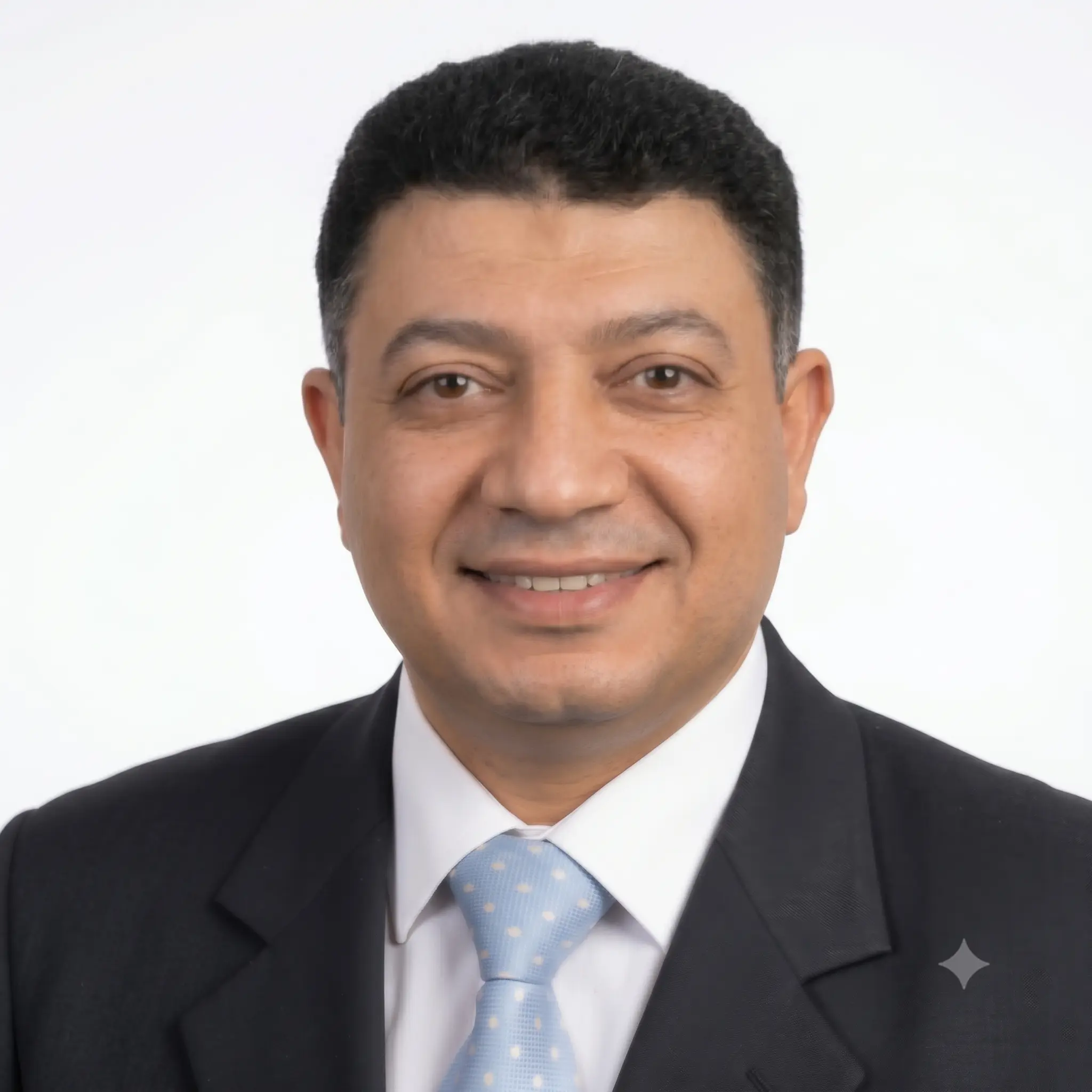
Ustadh Ahmed Mahmoud Abdulaziz is an experienced teacher of Arabic and the Holy Quran for native and non-native speakers. He holds a verified Ijazah in Hafs ‘an Asim and is certified in the foundational Tajweed texts Al-Jazariyyah and Tuhfat Al-Atfal. Drawing on his extensive background in traditional Quranic recitation and international pedagogy, he writes scholar-verified, accessible articles to help students worldwide master Tajweed rules and Arabic linguistics safely and accurately.