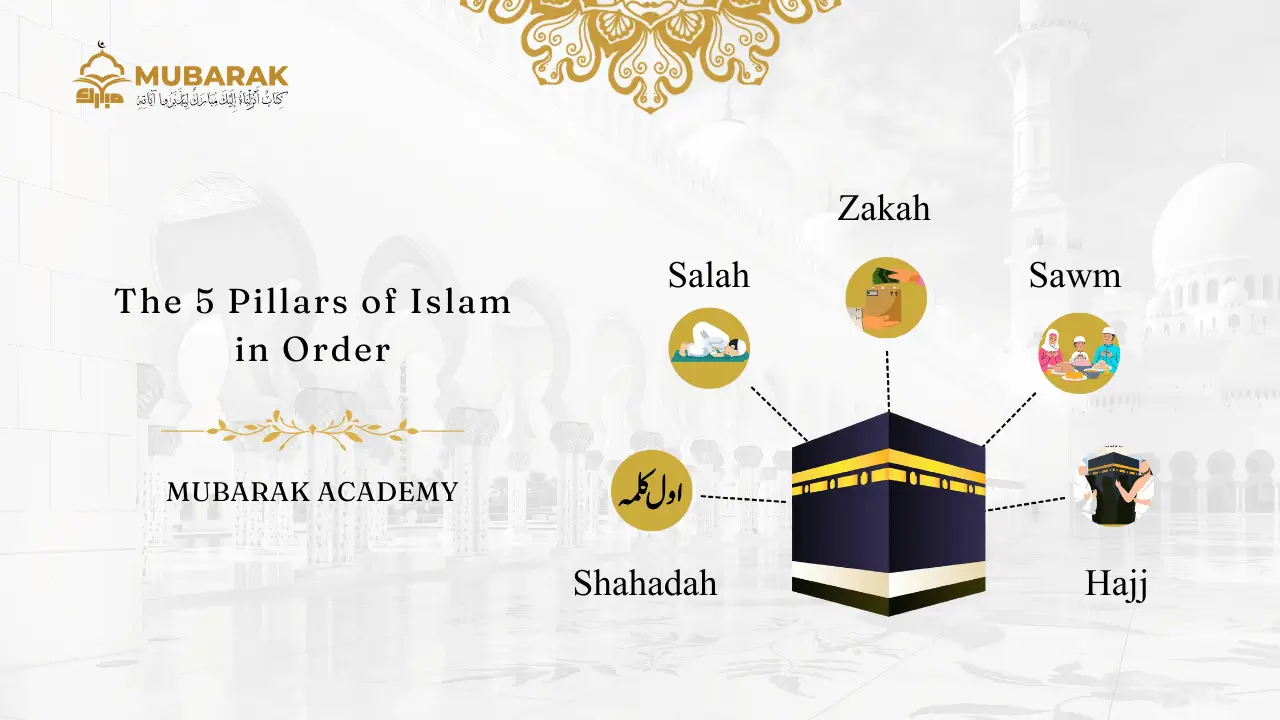
Islam rests on five essential obligations that form the complete foundation of Muslim spiritual life. These aren’t optional practices—they are binding duties upon every believer. The 5 Pillars of Islam in Order create the structure through which a Muslim expresses faith, builds discipline, and serves their community. Whether you’re exploring Islam, deepening understanding, or teaching others, understanding the Five Pillars of Islam represents the starting point of Islamic knowledge itself. This comprehensive guide explains each pillar in detail, covering evidence, meaning, and spiritual significance.
What Are the Five Pillars of Islam?
The Five Pillars of Islam are the five core obligations that every mentally competent adult Muslim must fulfill. They function as the architectural backbone of religious life.
Why Called “Pillars”?
The Arabic term arkan (pillars) perfectly captures their role. Remove even one pillar, and the entire structure weakens. Neglect all five, and nothing remains of Islamic practice. They are not optional supplements—they are mandatory duties.
The Prophet’s Clear Statement:
The Prophet Muhammad ﷺ established their primacy in a hadith recorded by both Sahih al-Bukhari and Sahih Muslim:
“Islam is based upon five: bearing witness that there is no deity except Allah and that Muhammad is His Messenger, establishing prayer, giving zakat, fasting Ramadan, and performing Hajj to the House.” [Sahih al-Bukhari, No. 8; Sahih Muslim, No. 16]
The 5 Pillars of Islam in Order: Names, Meanings, and Arabic Terms
Quick Reference Table
| # | Pillar | Arabic Name | English Meaning |
|---|---|---|---|
| 1 | Shahada | الشَّهَادَة | Declaration of Faith |
| 2 | Salah | الصَّلَاة | Ritual Prayer |
| 3 | Zakat | الزَّكَاة | Obligatory Charity |
| 4 | Sawm | الصَّوْم | Fasting in Ramadan |
| 5 | Hajj | الْحَجّ | Pilgrimage to Makkah |
Understanding the Arabic Names
Each 5 Pillars of Islam in Order carries an Arabic name drawn directly from the Quran and authenticated Hadith. These terms remain authoritative across all Muslim communities worldwide:
- الشَّهَادَة (Ash-Shahādah) — testimony, witness
- الصَّلَاة (As-Salāh) — to connect, to pray
- الزَّكَاة (Az-Zakāh) — to purify, to grow
- الصَّوْم (As-Sawm) — to abstain, to restrain
- الْحَجّ (Al-Hajj) — to intend, to journey toward
Revelation Recording and Memorisation of the Holy Quran
Visual Symbols Representing the 5 Pillars of Islam in Order:
Each pillar carries visual symbols used in Islamic education to make abstract obligations concrete:
Shahada — Arabic calligraphy of Lā ilāha illallāh, displayed on mosque domes and flags
- Most recognized symbol: Islamic declaration written form
- Found on Saudi Arabian flag and educational materials
Salah — Muslim in prostration (sujud) or prayer mat (sajjāda)
- Prayer beads (misbaha) represent ongoing remembrance
- Minaret symbolizes the call to prayer
Zakat — Open hand or scales
- Represents giving and balanced wealth distribution
- Crescent and star mark Islamic lunar calendar
Sawm — Crescent moon (hilāl) and traditional lantern (fanoos)
- Moon signals Ramadan’s beginning and end
- Lantern symbolizes Ramadan celebration
Hajj — Kaaba or white Ihram garments
- Pilgrims in circumambulation (Tawaf)
- Most recognizable image in the Islamic world
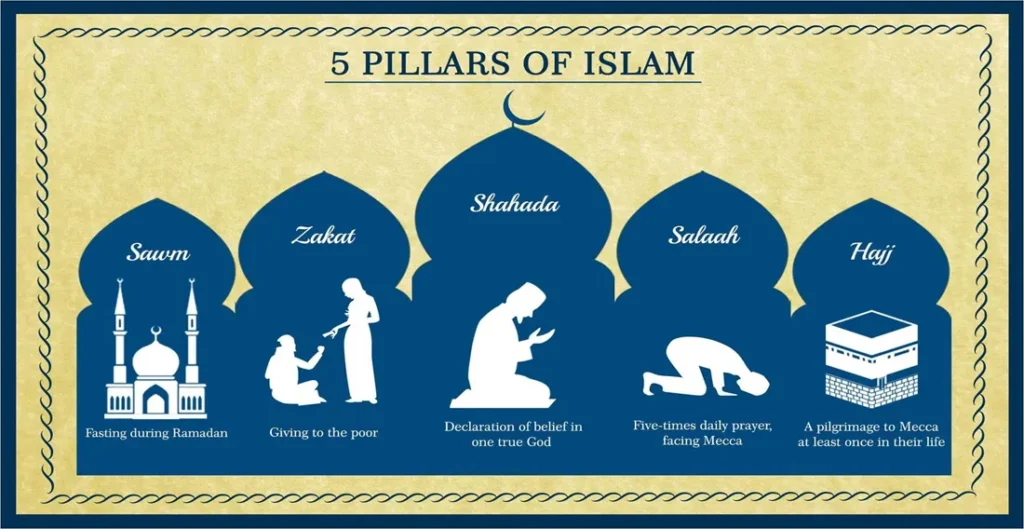
Pillar 1: Shahada — The Declaration of Faith
What Is the Shahada?
The Shahada is more than a statement—it is the gateway to Islam itself. It consists of two profound declarations that must be believed sincerely in the heart:
“I bear witness that there is no deity worthy of worship except Allah, and I bear witness that Muhammad is the Messenger of Allah.”
Why it matters: The Shahada is the foundation upon which all other Five Pillars of Islam rest. Without it, the other pillars lack meaning or validity.
Part One: “There Is No Deity Except Allah”
This clause affirms Tawhid (monotheism)—the absolute oneness of Allah.
It negates false objects of worship and confirms that:
- Divinity belongs to Allah alone
- Sovereignty rests with Allah exclusively
- The right to worship belongs to Allah only
- He has no partners, equals, or rivals
This statement fundamentally reshapes how a person understands existence, purpose, and obligation to the Creator.
Islamic Special Religious Education for Children and Teens
Part Two: “Muhammad Is the Messenger of Allah”
This confirms Prophet Muhammad ﷺ as the final messenger sent to guide humanity.
What accepting this means:
- The Quran is divine revelation
- The Sunnah (Prophet’s example) is authoritative guidance
- Muhammad’s teachings apply to all aspects of life
- He is the seal of prophets (Quran 33:40)
Conviction vs. Recitation
Mere words carry no weight without genuine conviction (yaqeen).
A person may pronounce the Shahada without believing, and this does not constitute entry into Islam. However, when spoken with full belief from the heart:
- It transforms a person’s entire standing before Allah
- It establishes all obligations of Islamic practice
- It marks true entry into the Muslim community
- It connects one to the global ummah (Muslim nation)
This conviction is what distinguishes a true Muslim from one who merely recites words.
Pillar 2: Salah — Ritual Prayer
Why Prayer Is the Second Pillar?
Salah is the second pillar of Islam and, by unanimous scholarly consensus, the most important act of worship after the Shahada. The Prophet ﷺ described prayer as “the pillar of religion” (amud al-din).
Historic significance: During the Night of Ascension (Isra’ wal-Mi’raj), Allah commanded fifty daily prayers, later reduced to five—yet each carrying the reward of fifty. This detail alone signals the elevated status of Salah.
The Warning Against Neglecting Prayer:
The Prophet ﷺ warned explicitly:
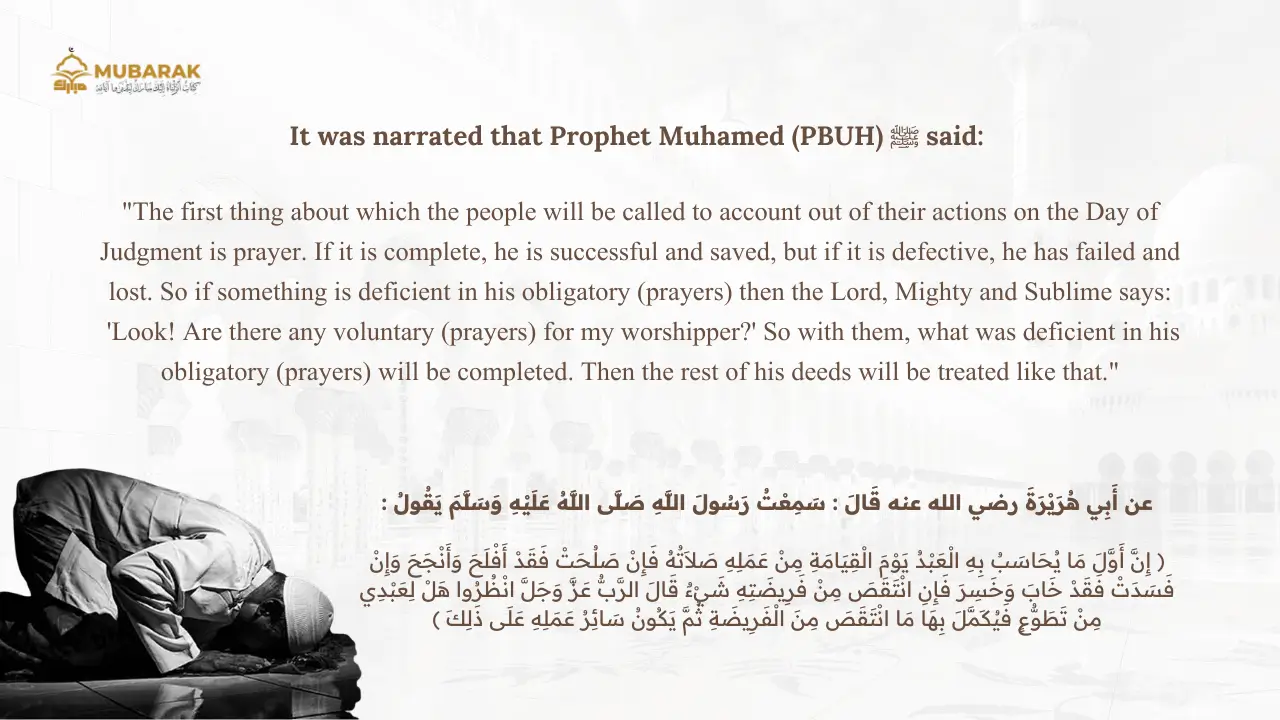
“The first matter by which people will be judged on the Day of Judgment is prayer. Our Lord will ask His angels: Look into the prayer of My servant—was it guarded or neglected?” [Sunan al-Tirmidhi, No. 413]
Prayer’s importance cannot be overstated within Islamic practice.
Learn with a Female Quran Teacher Online
The Five Daily Prayers:
Muslims pray at five prescribed times, creating structure throughout the day:
- Fajr — before sunrise (2 units)
- Zuhr — midday (4 units)
- Asr — late afternoon (4 units)
- Maghrib — immediately after sunset (3 units)
- Isha — after full darkness (4 units)
Each time is specifically defined in Islamic law to ensure consistency.
What Each Prayer Consists Of?
Every salah (prayer) combines three essential elements:
Physical postures:
- Standing (qiyam)
- Bowing (ruku’)
- Prostration (sujud)
Verbal recitations:
- Begin with Surah Al-Fatiha (Quran’s opening chapter)
- Quranic verses and praise of Allah
- Prescribed Islamic formulas
Internal presence:
- Khushu’ (presence of heart)
- Sincere focus and mindfulness
- Full mental and spiritual engagement
More Than Ritual:
Salah is not gymnastics or mere ritual—it is a structured conversation between servant and Lord, repeated five times daily throughout a Muslim’s lifetime without exception. This consistency creates a rhythm reminding believers of their purpose and divine connection.
Pillar 3: Zakat — Obligatory Charity:
The Dual Meaning of Zakat:
Zakat means both purification and growth. Linguistically, it conveys the dual impact of giving:
Purification aspect:
- Wealth becomes purified from greed
- The giver’s heart detaches from material possession
- Spiritual contamination is cleansed
- The soul is elevated through giving
Growth aspect:
- Blessings multiply for the giver
- Economic circulation strengthens community
- Society becomes more equitable
- Zakat generates positive social change
Zakat Throughout the Quran:
The Quran pairs zakat with salah in no fewer than 82 verses—a pairing signaling the inseparability of personal worship and social responsibility in Islam.
The connection:
- Salah connects the believer to Allah
- Zakat connects the believer to the community
- Together they balance vertical and horizontal obligations
- Both are non-negotiable pillars of Islamic life
Who Must Pay Zakat?
Obligation conditions:
- Adult Muslims who have reached mental maturity
- Possession of wealth exceeding the nisab (minimum threshold)
- The wealth must remain at/above nisab for one lunar year (hawl)
- The person must be free, not enslaved
The nisab amount: Approximately 85 grams of gold or equivalent in cash value.
What Is the Day of Judgement in Islam?
How Much Zakat Is Due?
The prescribed rate is straightforward: 2.5% of qualifying wealth.
Qualifying wealth includes:
- Cash savings and bank deposits
- Business inventory and merchandise
- Gold and silver holdings
- Investment assets and stocks
- Rental properties generating income
The Eight Categories of Recipients:
Allah specifies zakat recipients in Quran 9:60:
- The poor (al-fuqara)
- The destitute (al-masakin)
- Those in debt (al-gharimin)
- Travelers in need (ibn al-sabil)
- Those collecting and distributing zakat
- Those whose hearts are being won to Islam
- Freed slaves (ar-riqab)
- Those in the path of Allah
Key difference: Unlike voluntary charity (sadaqah), zakat has fixed rules, fixed rates, and fixed recipients—it is a duty, not a gesture.
can i recite quran on my period?
Pillar 4: Sawm — Fasting in Ramadan
The Nature and Practice of Fasting:
Sawm—fasting during Ramadan—is the fourth pillar of Islam. Throughout the ninth month of the Islamic lunar calendar, adult Muslims abstain from:
- Food and drink
- Marital relations
- Deliberate sinful behavior
- All worldly desires
The timing: From Fajr (dawn) until Maghrib (sunset) each day of Ramadan.
Daily rhythm:
- Pre-dawn meal: Suhur (before Fajr)
- Evening meal: Iftar (after Maghrib)
- Night prayers: Tarawih
Allah’s Divine Command:
Allah commanded this obligation directly in Quran 2:183-185:
“O you who have believed, decreed upon you is fasting as it was decreed upon those before you—that you may attain Taqwa [God-consciousness].”
Taqwa is the stated purpose: Spiritual awareness and consciousness of Allah.
How Do Muslims Prepare for Ramadan: Spiritual, Practical, and Quranic Steps
How Fasting Transforms the Soul:
When the body’s desires are disciplined through hunger and restraint:
Spiritual effects:
- The soul gains clarity
- Worldly distractions fade away
- Connection to the Quran deepens
- Night prayers (Tarawih) become powerful
- Remembrance of Allah (dhikr) intensifies
The Night of Power (Laylat al-Qadr):
- Occurs in the final ten nights of Ramadan
- Described in Quran 97:1-3 as better than a thousand months
- A single act of worship carries immense spiritual weight
- Seeking this night marks the spiritual peak of Ramadan
Fasting Builds Empathy and Social Consciousness
Beyond spiritual benefit, fasting in Ramadan cultivates lived empathy:
Direct experience:
- Experiencing real hunger and thirst firsthand
- Developing awareness of less fortunate conditions
- Understanding the struggles of the poor
- Building compassion through shared hardship
This awareness translates to action:
- Through Zakat al-Fitr (charity at Ramadan’s close)
- Through increased voluntary giving
- Through community support and kindness
- Through social responsibility and justice
Fasting thus bridges ritual observance and social responsibility.
Holiest Night of The Year, How to Pray on Laylatul Qadr?
Pillar 5: Hajj — Pilgrimage to Makkah
The Fifth Pillar Defined:
Hajj is the fifth and final pillar of Islam—a once-in-a-lifetime obligation upon every physically capable and financially able adult Muslim.
Divine command: Allah states in Quran 3:97:
“And pilgrimage to the House is a duty owed to Allah by people who are able to undertake it.”
When and Where Hajj Occurs?
Timing: The Islamic month of Dhul-Hijjah (8th through 13th days)
Location: Masjid al-Haram in Makkah, Saudi Arabia, surrounding the Kaaba
Scale: Millions of pilgrims from every nation, language, ethnicity, and social background converge on this sacred place.
The Sacred History of the Kaaba:
The Kaaba—the cubic structure at the center of Masjid al-Haram—was first built by Prophet Ibrahim and his son Ismail, acting upon Allah’s command. For over 4,000 years, it has served as the spiritual center toward which Muslims direct their prayers.
The Rituals of Hajj:
The hajj rituals trace the actions of Prophet Ibrahim and his family:
Day 9 (Yawm Arafah) — The Most Essential Rite:
- Standing at the plain of Arafah in supplication
- Extended remembrance and prayers
- The spiritual pinnacle of hajj
Walking Between Safa and Marwa:
- Commemorates Hajar’s search for water
- Seven circuits back and forth
- Reminds pilgrims of perseverance and trust
Casting Pebbles at Jamarat:
- Follows Prophet Ibrahim’s rejection of Satan
- Symbolizes rejecting evil whispers
- Three pillars represent Satan’s temptations
Tawaf — Circumambulation of the Kaaba:
- Seven circuits around the Kaaba
- While wearing Ihram (white garments)
- Represents unity and submission
explore our courses
Ihram: The Erasure of Social Distinctions:
Ihram—the simple white garments worn by all pilgrims—carries profound significance.
What Ihram represents:
- Erasure of social distinctions
- A king and farmer stand side by side
- All wearing identical white cloth
- Performing identical rites
- Before the same Lord
Spiritual meaning: Hajj is one of history’s most powerful demonstrations of Islamic egalitarianism—a physical, spiritual affirmation that all believers stand equal before Allah.
Return Without Sin:
Those who complete Hajj with sincerity:
- Avoid quarreling and misconduct
- Maintain violations of Ihram
- Return in a state of spiritual renewal
The Prophet’s ﷺ Promise: Those completing hajj with sincerity return equivalent to the day they were born, free of sin. [Sahih al-Bukhari, No. 1521]
Basic Islamic Knowledge for Kids
Teaching the Five Pillars to Children:
Why Lived Experience Matters?
Children absorb Islamic identity most durably through lived practice and clear explanation—not rote memorization. When a child understands why Muslims pray five times daily rather than simply that they do, the obligation takes on meaning sustaining through adolescence and adulthood.
explore our Islamic Studies
Practical Teaching Approach for Parents:
1. Start with the Shahada as Foundation Help children understand that every Muslim begins with this statement, and all other pillars grow from it.
2. Teach Salah Through Participation:
- Children learn prayer best through observation and participation
- Not from textbooks alone
- Pray together as a family
- Begin with prayer names and times
3. Connect Zakat to Real Action:
- Use concrete examples: food bank contributions, local charity
- Connect purification concept to something tangible
- Show giving in action
4. Allow Age-Appropriate Fasting:
- Young children can observe partial fasts
- Participate in Suhur and Iftar together
- Build gradual connection with the practice
- Celebrate completion together
5. Bring Hajj to Life Through Stories:
- Share narratives of Prophet Ibrahim and Hajar
- These are among the Quran’s most powerful stories
- Use stories to inspire understanding and connection
- Explain the spiritual journey symbolically
Conclusion:
The 5 Pillars of Islam in Order are not a checklist to complete and forget—they form a comprehensive framework for living. The Shahada declares who the Muslim worships and who guides them. Salah structures every day around that worship. Zakat extends the Muslim’s submission beyond self into community. Sawm trains the soul in discipline and divine consciousness. Hajj places every Muslim, regardless of origin or wealth, in one place, in one dress, before one God.
Together, these five obligations embody what the Prophet ﷺ described as the structure upon which Islam rests. Understanding them clearly—their evidence, meaning, and purpose—marks the beginning of a life built on knowledge rather than habit alone. For new Muslims, scholars, parents, and seekers alike, mastering the Five Pillars is mastering the essence of Islamic practice itself.
Start your journey of understanding today. Explore each pillar deeply, practice with intention, and help others recognize their transformative power. May Allah grant all believers the ability to fulfill these obligations with sincerity and consistency throughout their lives.
What are the 5 pillars of Islam in order?
The five pillars of Islam in order, as taught by the Prophet Muhammad ﷺ, are: (1) Shahada — the declaration of faith; (2) Salah — the five daily prayers; (3) Zakat — obligatory charity of 2.5% on qualifying wealth; (4) Sawm — fasting during the month of Ramadan; and (5) Hajj — the pilgrimage to Makkah, required once in a lifetime for those who are able.
Can I learn the Arabic pillars of Islam easily?
Yes, with consistent practice and by understanding their deep spiritual meanings, learning them becomes simple and memorable.
What are the 5 pillars of Islam in Arabic?
The Arabic names of the five pillars are: الشَّهَادَة (Ash-Shahādah), الصَّلَاة (As-Salāh), الزَّكَاة (Az-Zakāh), الصَّوْم (As-Sawm), and الْحَجّ (Al-Hajj). These Arabic names are universal across all Muslim communities worldwide.
Why should I learn the Arabic pillars of Islam?
Learning them in Arabic connects you directly to the language of the Quran and strengthens your understanding of global Islamic worship.
Is the order of the pillars important?
Yes, the five pillars follow the sequence taught by the Prophet ﷺ, reflecting their foundational importance in Islam.
Can someone become Muslim without publicly declaring the Shahada?
The Shahada must be believed sincerely in the heart. Public declaration is highly recommended and customary, but the inner conviction is what constitutes Islamic faith. However, when circumstances permit, public declaration strengthens commitment and notifies the community.What if someone misses prayers due to illness or work?
Islamic law permits adjustments based on genuine hardship. Prayers can be combined during travel, and the ill may perform prayer sitting or lying down. The obligation remains; only the method adjusts to capability.Are there people exempt from zakat?
Yes. The poor, those without enough wealth to reach the nisab, debtors whose debts exceed their assets, and those in extreme poverty are exempt. Children and those with mental incapacity are not obligated.What if someone cannot fast due to medical conditions?
The ill, elderly, pregnant and nursing women, and those on necessary medications may postpone fasting. They typically make up the missed days later or, if unable, provide equivalent charity (fidya) to feed the poor.Is Hajj affordable for average Muslims?
While expensive, many Muslims save over years or decades to fulfill this pillar. Pilgrimage during off-peak months costs less. The obligation is upon those “able to undertake it”—financial and physical ability determine applicability.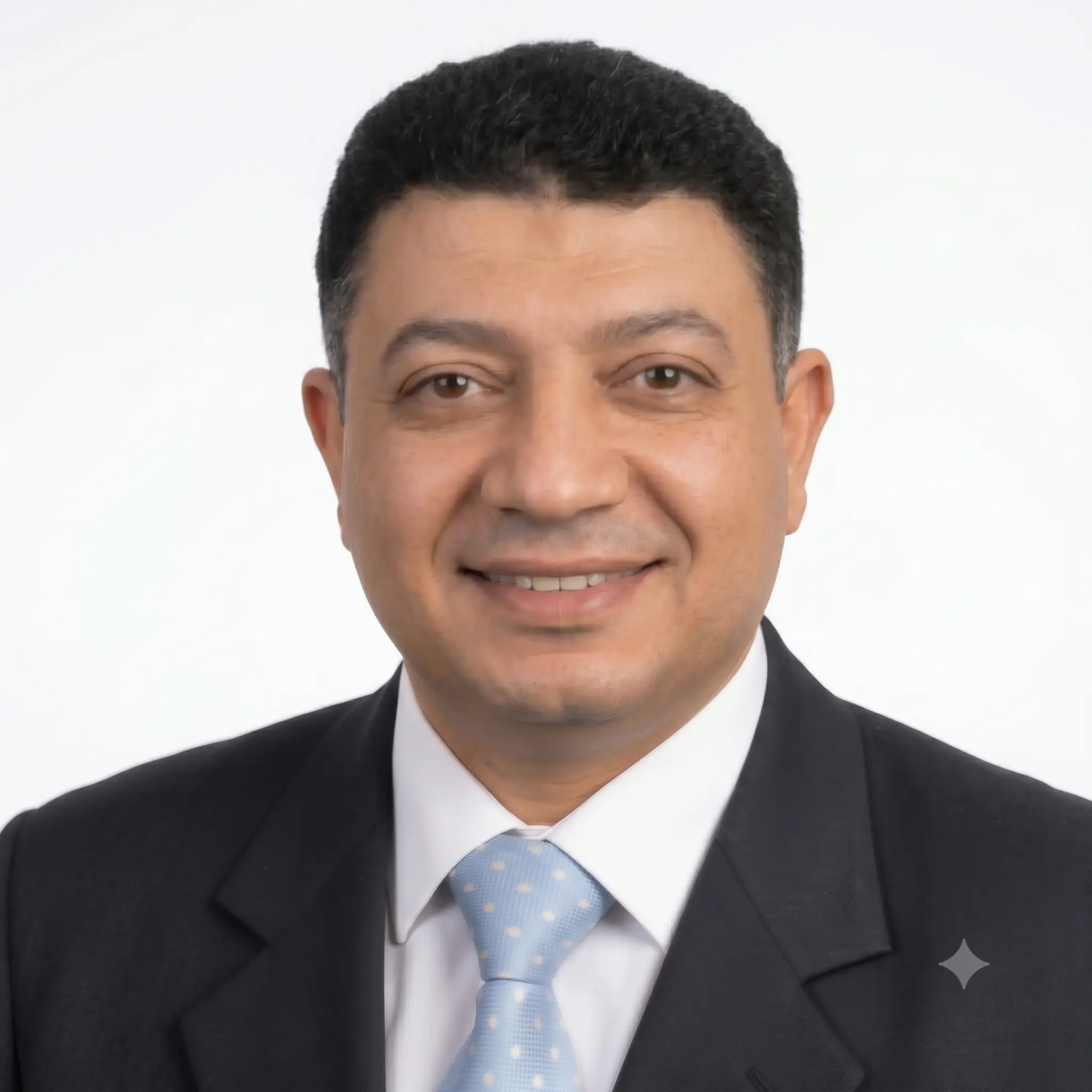
Ustadh Ahmed Mahmoud Abdulaziz is an experienced teacher of Arabic and the Holy Quran for native and non-native speakers. He holds a verified Ijazah in Hafs ‘an Asim and is certified in the foundational Tajweed texts Al-Jazariyyah and Tuhfat Al-Atfal. Drawing on his extensive background in traditional Quranic recitation and international pedagogy, he writes scholar-verified, accessible articles to help students worldwide master Tajweed rules and Arabic linguistics safely and accurately.