
If you have ever wondered how so many Arabic words seem interconnected, the secret lies in a fascinating linguistic science known as Sarf (علم الصرف), or Arabic morphology, For English speakers especially those learning Arabic to understand Islamic studies and the Quran—mastering morphology is the ultimate shortcut. Instead of memorizing thousands of individual words, learning Arabic morphology teaches you the structural “math” of the language.
What is the Morphology of Arabic Language (Sarf)?
In linguistics, morphology is the study of how words are formed and reconstructed. In Islamic scholarship, this is called Sarf (علم الصرف).
While English relies heavily on adding prefixes and suffixes (like happy to un-happy-ness), Arabic uses a highly systematic Root and Pattern system. By taking a core set of consonant letters and pouring them into different vocal molds, you generate entirely new words with precise meanings.
Arabic Morphology (Sarf) vs. Syntax (Nahw)
Many beginners confuse these two sister sciences. Here is a quick breakdown to help you distinguish them:
| Feature | Sarf (Morphology) | Nahw (Syntax / Grammar) |
|---|---|---|
| Focus | The internal structure, build, and composition of a single word independent of its context. | The structural relationship between different words inside a complete sentence. |
| What it governs | Verb conjugations (tenses), noun derivations (active/passive participles), and root patterns. | Ending short vowels (I’rab/Harakat), case endings, and structural roles like subject and object. |
| Example | Expanding the root triconsonantal letters K-T-B (writing) into Kataba (he wrote) or Kitab (a book). | Determining why it is written as “Kataba al-waladu” (nominative case) instead of “al-walada“. |
What Does Morphology of Arabic Language NOT Study? (Important Boundary)
To understand Sarf deeply, you must know its limits. Sarf only studies variable words (الكلمات المعربة والمتصرفة)—words that can change their form to produce new meanings. Because of this, Arabic morphology completely excludes:
- Particles (الحروف): Letters and prepositions like مِنْ (from), هَلْ (is/did), or فِي (in), as they have no root.
- Invariable Pronouns & Nouns (الأسماء المبنية): Pronouns like أَنَا (I) or هُوَ (he), demonstratives like هَذَا (this), and relative pronouns.
- Inert Verbs (الأفعال الجامدة): Verbs that cannot be conjugated into different tenses, such as لَيْسَ (is not), عَسَى (perhaps), or نِعْمَ (how excellent!).
The Core Blueprint: The Arabic Root System:
The absolute magic of Arabic morphology is that over 99% of its vocabulary is derived from abstract roots.
1. Triliteral Roots (Three-Letter Roots)
The vast majority of Arabic words stem from a Triliteral Root (الثلاثي), consisting of three consonants. This root carries a pure, abstract concept.
Let’s look at how a root translates into different derivatives (الاشتقاق) using the root ك – ت – ب (K-T-B):
| Arabic Word | Transliteration | Meaning | Derivative Type | Morphological Pattern |
|---|---|---|---|---|
| كَاتِبٌ | Katib | Writer | Active Participle (اسم فاعل) | فَاعِلٌ (Fa’il) |
| مَكْتُوبٌ | Maktoub | Written / Letter | Passive Participle (اسم مفعول) | مَفْعُولٌ (Mafo’ol) |
| مَكْتَبٌ | Maktab | Desk / Office | Noun of Place (اسم مكان) | مَفْعَلٌ (Maf’al) |
| مَكْتَبَةٌ | Maktabah | Library | Noun of Place (Fem.) (اسم مكان مؤنث) | مَفْعَلَةٌ (Maf’alah) |
| كُتِبَ | Kutiba | It was written | Passive Voice Verb (فعل مبني للمجهول) | فُعِلَ (Fu’ila) |
2. Quadriliteral Roots (Four-Letter Roots)
Less common but equally vital are Quadriliteral Roots (الرباعي), which consist of four root consonants. Interestingly, many of these roots mimic sounds, repetitive actions, or intense physical movements.
- ز – ل – ز – ل (Z-L-Z-L): Root meaning “to shake”
- Example: زَلْزَلَ (Zalzala – He shook) | زِلْزَال (Zilzal – Earthquake) (referenced directly in Surah Az-Zalzalah).
- د – ح – ر – ج (D-Ḥ-R-J): Root meaning “to roll”
- Example: دَحْرَجَ (Dahraja) — He rolled something.
Verb Forms in Arabic (Forms I to X):
Arabic verbs expand their meanings systematically through ten primary verb forms. By adding augmented letters (حروف الزيادة) to a basic root like ق – ت – ل (Q-T-L – relating to fighting/killing), the intensity or nature of the verb changes logically:
| Verb Form | Arabic Example | Meaning | Morphological Pattern | Sentence Example (with Translation) |
|---|---|---|---|---|
| Form I (Simple) | قَتَلَ (Qatala) | To kill | فَعَلَ |
قَتَلَ طَارِقٌ الثُّعْبَانَ.
(Tariq killed the snake) |
| Form II (Intensified) | قَتَّلَ (Qattala) | To kill thoroughly / massacre | فَعَّلَ |
قَتَّلَ الْجَيْشُ أَعْدَاءَهُ.
(The army killed its enemies thoroughly) |
| Form III (Reciprocal) | قَاتَلَ (Qātala) | To fight / struggle with | فَاعَلَ |
قَاتَلَ الْجُنُودُ قِتَالًا شَدِيدًا.
(The soldiers fought powerfully) |
| Form VI (Mutual) | تَقَاتَلَ (Taqātala) | To fight each other | تَفَاعَلَ |
تَقَاتَلَ الْجَيْشَانِ.
(The two armies fought each other) |
Noun Conjugation: Gender and Number
Sarf is not just about verbs; it also dictates how nouns are transformed to express gender (Masculine/Feminine) and grammatical number (Singular, Dual, and Plural).
By changing the endings and internal patterns of a noun like طَالِب (Student – Root: ط – ل – ب), you conjugate it seamlessly:
- Singular:
- Masculine: طَالِبٌ (Talib – One Male Student)
- Feminine: طَالِبَةٌ (Talibah – One Female Student)
- Dual (Two):
- Masculine: طَالِبَانِ (Talibani – Two Male Students)
- Feminine: طَالِبَتَانِ (Talibatani – Two Female Students)
- Plural (Three or more):
- Masculine (Broken Plural): طُلابٌ / طَالِبُونَ (Tullab / Taliboon – Male Students)
- Feminine: طَالِبَاتٌ (Talibat) — Female Students
Learn Arabic Grammar for Understanding Quran
The Secret Rules of Sound: Morphophonemic Rules (العلل والإعلال):
Sometimes, when you apply a pattern to a root, the pronunciation becomes heavy or awkward. To keep the language beautiful and easy to speak, Arabic morphology uses Morphophonemic Rules (phonetic adjustments).
For example, if you have a root with weak letters (like و or ي), the letters melt or swap:
- The root ق – و – ل (Q-W-L) in the past tense Form I pattern (فَعَلَ – Fa’ala) should phonetically be قَوَلَ (Qawala).
- Because saying Qawala is heavy on the tongue, Arabic morphology rules automatically convert the و into an ا (Alif), turning it into قَالَ (Qala – He said).
Understanding these rules ensures you don’t get confused when weak letters seem to “disappear” or change in Quranic verses!
Why Sarf is the Ultimate Key to Understanding the Quran?
For non-native English speakers studying the Quran, morphology changes how you experience the Divine text. It shifts you from passive reading to deep reflection (Tadabbur).
- Predicting Unfamiliar Words: When you recognize a root and its pattern in a Quranic verse, you can instantly guess the meaning of a word you’ve never seen before.
- Appreciating Subtle Eloquence: Why did Allah use a specific active participle instead of a verb in a verse? Sarf reveals the subtle shifts in emphasis, permanence, and immediacy embedded in the linguistic choices of the Quran.
Read More: Arabic Classes for 3 Year Olds That Build Early Language Skills.
How to Learn Arabic Morphology Effectively?
Learning Sarf can feel academic and intimidating if studied through dry translation books. To master it smoothly:
- Don’t Memorize; Analyze: Focus on identifying the 3-letter roots first when reading.
- Learn the Top 10 Patterns: Mastering the most common Awzan covers over 80% of Quranic vocabulary.
- Get Structured Mentorship: Self-study can lead to confusion regarding irregular verbs and weak roots.
At Mubarak Academy, we offer structured, interactive online courses tailored for beginners. Guided by qualified native Arabic teachers, you will learn Sarf using step-by-step Quranic examples, turning complex linguistic frameworks into natural, intuitive skills.
Join Mubarak Academy today and unlock the structure of Quranic Arabic!
Conclusion:
The morphology of Arabic language is one of the most fascinating and powerful systems in the world of linguistics. It transforms vocabulary learning from memorization into pattern recognition, By understanding roots, patterns, and derivation, you gain access to the inner structure of Arabic. With consistency and the right guidance, what once seemed complex becomes clear and deeply rewarding.
FAQs of Morphology of the Arabic Language:
Is Arabic morphology difficult to learn?
While initially challenging due to its unique structure, Arabic morphology is highly systematic and mathematical. Once you understand how the root-and-pattern system operates, decoding complex words becomes incredibly logical. With structured study, clear visual examples, and consistent practice, mastering word formations becomes much easier and more intuitive over time.
Do I need morphology to understand the Qur’an?
Yes, morphology is absolutely essential for genuine Quranic comprehension. It allows you to unlock deep semantic meanings, track subtle shifts in verb forms, and recognize nuanced grammatical derivations within verses. Without it, you cannot fully appreciate the precise eloquence and miraculous linguistic depth embedded throughout the divine text.
How long does it take to learn Arabic morphology for beginners?
With disciplined, consistent study and guided practice from a qualified tutor, most beginners can build a solid, functional foundation in Arabic morphology within three to six months. Transitioning from basic recognition to advanced, fluid analysis of complex structural patterns generally requires an additional year of regular application.
Can I learn Arabic morphology online?
Absolutely. Many highly structured online programs offer comprehensive video modules, interactive root-analysis tools, and direct access to native Arabic teachers. This digital flexibility allows you to study complex morphological frameworks at your own pace from anywhere in the world, matching your personal learning schedule perfectly.
What is the phonology and morphology of Arabic?
Arabic phonology focuses strictly on the linguistic sound system, including precise letter articulation points (Makharij) and acoustic interactions during speech. Conversely, Arabic morphology (Sarf) analyzes the structural composition of words, studying how core three-letter consonants expand into standardized patterns to convey completely different grammatical and semantic meanings.
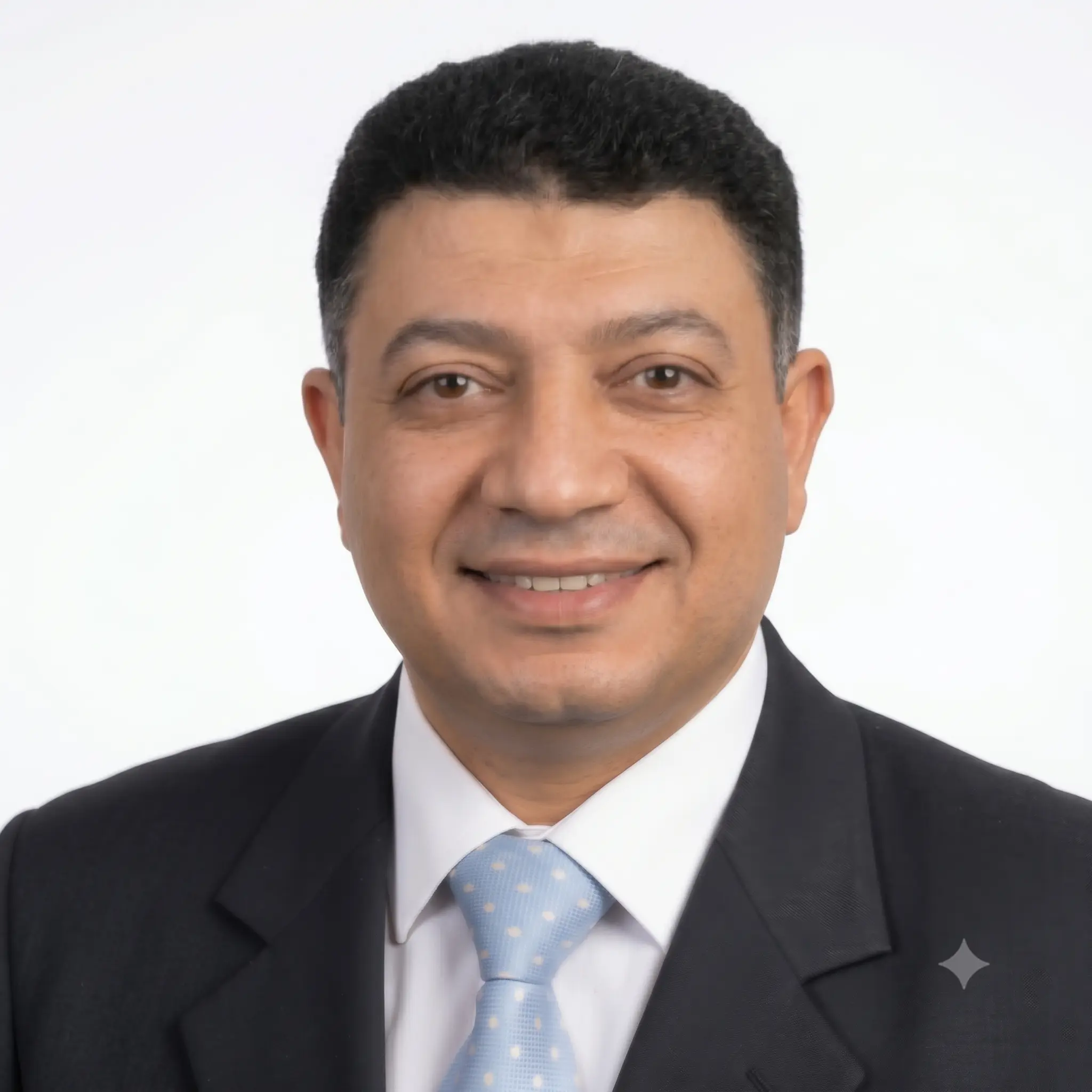
Ustadh Ahmed Mahmoud Abdulaziz is an experienced teacher of Arabic and the Holy Quran for native and non-native speakers. He holds a verified Ijazah in Hafs ‘an Asim and is certified in the foundational Tajweed texts Al-Jazariyyah and Tuhfat Al-Atfal. Drawing on his extensive background in traditional Quranic recitation and international pedagogy, he writes scholar-verified, accessible articles to help students worldwide master Tajweed rules and Arabic linguistics safely and accurately.