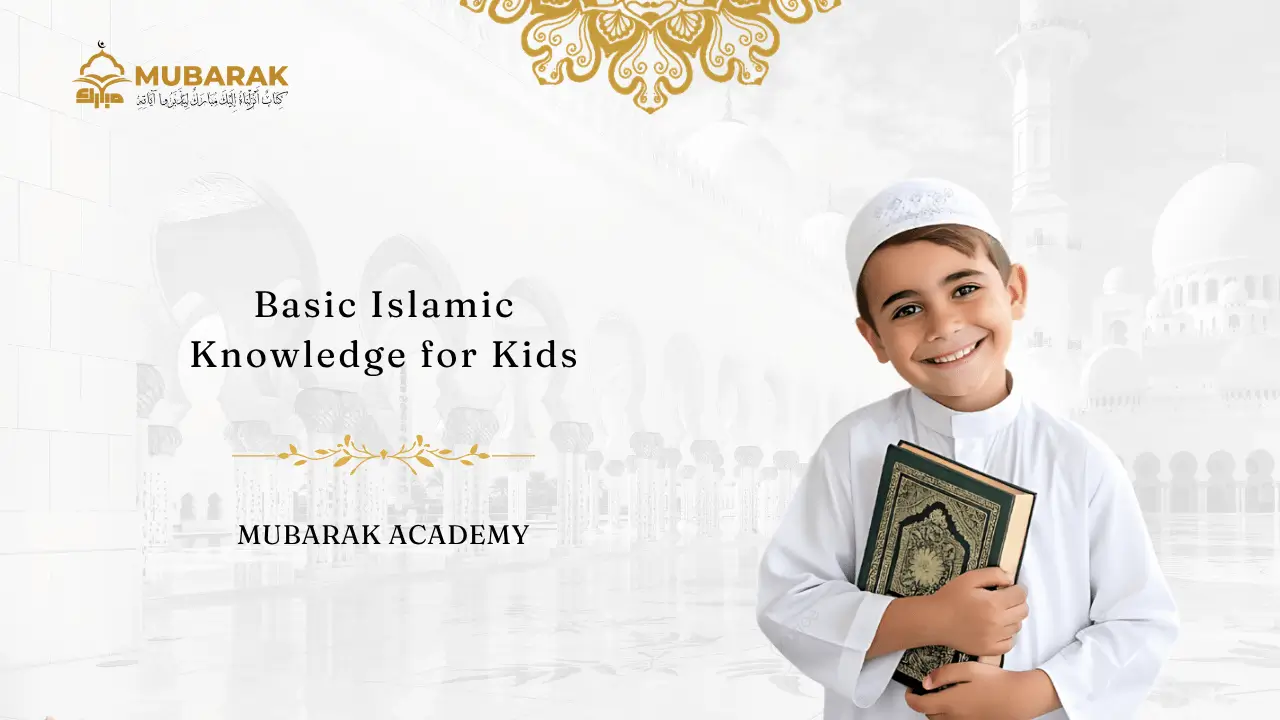
Every parent wants to raise children who are kind, confident, and guided by strong values. That’s where Islamic knowledge for kids plays such an important role. It’s not just about teaching rules; it’s about helping children understand their faith in a way that feels meaningful and close to their hearts.
With the right approach, learning Islam can become a natural and enjoyable part of your child’s daily life. In this guide to Islamic knowledge for kids, you’ll find simple and practical ways to teach your child step by step without pressure or stress.
Importance of Islamic Knowledge for Children
Islamic knowledge for kids isn’t just something kids learn; it shapes who they become. Also, it gently teaches them the difference between right and wrong, helps them build good manners, and gives them a sense of direction in life.
When children grow up connected to Islam, you’ll notice it in the little things:
- They naturally develop strong values
- They feel close to Allah, even at a young age
- They become more thoughtful in how they act and treat others
- They grow confident in who they are as Muslims
In a world that’s constantly changing, Islamic knowledge becomes like a steady anchor. It helps children stay grounded, make wiser choices, and carry their values with them wherever they go.
Basic Islamic Knowledge for Kids
When it comes to teaching kids Islam, it’s not about giving them too much information at once. It’s about taking it step by step and helping them feel comfortable, happy, and connected to what they’re learning.
You’re not just teaching them facts, you’re helping them build a relationship with their faith.
1. Start with the Qur’an
The Qur’an is the best place to begin. So, let your child hear it often, even if they don’t understand everything yet; it helps them get familiar with its sound and beauty.
You can start small:
- Short surahs
- Simple recitation
- Listening together
The goal here isn’t perfection; it’s building love for the Qur’an.
2. Teach Them About Allah in a Simple Way
Kids don’t need complicated explanations. Just help them understand that Allah is always there, always listening, and always kind.
You can say things like:
- Allah created everything around us
- Allah loves it when we do good
- Allah is Merciful and cares about us
Keep it simple and comforting so they feel close to Him.
3. Introduce Prayer Gently
Children naturally like to copy what they see. So let them watch you pray, stand next to you, and try it themselves.
Don’t rush or pressure them, just encourage them little by little. Over time, they’ll learn the movements and understand the importance of prayer.
4. Focus on Good Manners (Akhlaq)
One of the most beautiful parts of Islam is good character, and kids can learn this very easily.
Teach them through everyday moments:
- Be kind
- Tell the truth
- Respect others
- Say kind words
And remember, they learn most by watching you.
5. Teach Simple Daily Duas
Short duas are perfect for kids. They’re easy to remember and quickly become part of their routine.
Start with:
- Before eating
- Before sleeping
- Saying Bismillah and Alhamdulillah
These small habits help them remember Allah throughout their day.
6. Use Stories to Teach
Kids love stories, and they learn so much from them. Stories of the Prophets are a beautiful way to teach values like patience, honesty, and trust in Allah. Make it fun, interactive, and something they look forward to.
Remember
Teaching kids Islam is a journey, not something that happens overnight. Just keep going, even with small steps. Over time, those little efforts will grow into something truly meaningful in their hearts.
Islamic Knowledge For Kids
Teach your children basic Islamic knowledge with expert guidance through simple, structured, and engaging lessons
When Should Kids Start Learning Islam
There isn’t a “perfect” age to start teaching Islam, but honestly, the earlier, the better. Even at a very young age, children can begin learning in simple, natural ways just by listening, watching, and repeating what they hear.
You don’t need to rush or make it complicated. Just go step by step, based on their age:
- Ages 2-4: Let them listen to the Qur’an and learn short duas
- Ages 5-7: Start introducing basic Salah and short surahs in a gentle way
- Ages 7+: Help them understand meanings, stories, and deeper ideas
The most important thing is to keep it easy and encouraging. Every child learns differently, so just meet them where they are and make the experience positive and enjoyable.
The Role of Stories in Teaching Islam to Children
Children love stories, and they learn best through them. That’s why storytelling is one of the most powerful ways to teach Islam.
Stories of the Prophets and Companions:
- Capture children’s attention
- Make lessons easier to understand
- Help them remember values and apply them
For example, stories about honesty, patience, or trust in Allah can leave a lasting impression. Instead of just telling kids what’s right, stories show them how to live those values.
Online Resources for Islamic Learning for Kids
With today’s technology, learning Islam has become more accessible than ever. Parents can now use trusted online platforms to support their children’s education.
Some great options include:
- Interactive Qur’an learning platforms
- Structured online Islamic courses
- Educational apps and videos for kids
- Live classes with qualified teachers
A reliable online Quran academy can be especially helpful, offering structured lessons, engaging teaching methods, and personalized guidance for children. The key is to choose trusted sources that provide accurate and age-appropriate content.
Conclusion
In the end, Islamic knowledge for kids is built through love, patience, and everyday moments. It’s in the stories you share, the habits you teach, and the example you set.
Remember, every small effort counts. What you teach them today can shape who they become tomorrow.
FAQs About Islamic Knowledge for Kids
1. Why is Islamic knowledge important for kids?
It helps children grow with strong values, understand their faith, and feel connected to Allah from an early age, shaping their character in a positive and meaningful way.
2. How can I make Islamic learning fun for my child?
Keep it simple and enjoyable by using stories, games, videos, and interactive activities, since children learn best when they feel engaged and excited.
3. Can kids learn Islam online effectively?
Yes. With the right platforms and guidance, online learning can be interactive, engaging, and very effective for children.
4. How long should kids study Islam daily?
You don’t need long hours. Even 15-30 minutes a day is enough, as long as the learning is consistent and enjoyable.
5. Do I need a teacher for my child?
Parents play an important role, but a qualified teacher can make a big difference. Learning through a trusted online Quran academy can help your child understand better and progress faster.

Ustadh Ahmed Mahmoud Abdulaziz is an experienced teacher of Arabic and the Holy Quran for native and non-native speakers. He holds a verified Ijazah in Hafs ‘an Asim and is certified in the foundational Tajweed texts Al-Jazariyyah and Tuhfat Al-Atfal. Drawing on his extensive background in traditional Quranic recitation and international pedagogy, he writes scholar-verified, accessible articles to help students worldwide master Tajweed rules and Arabic linguistics safely and accurately.