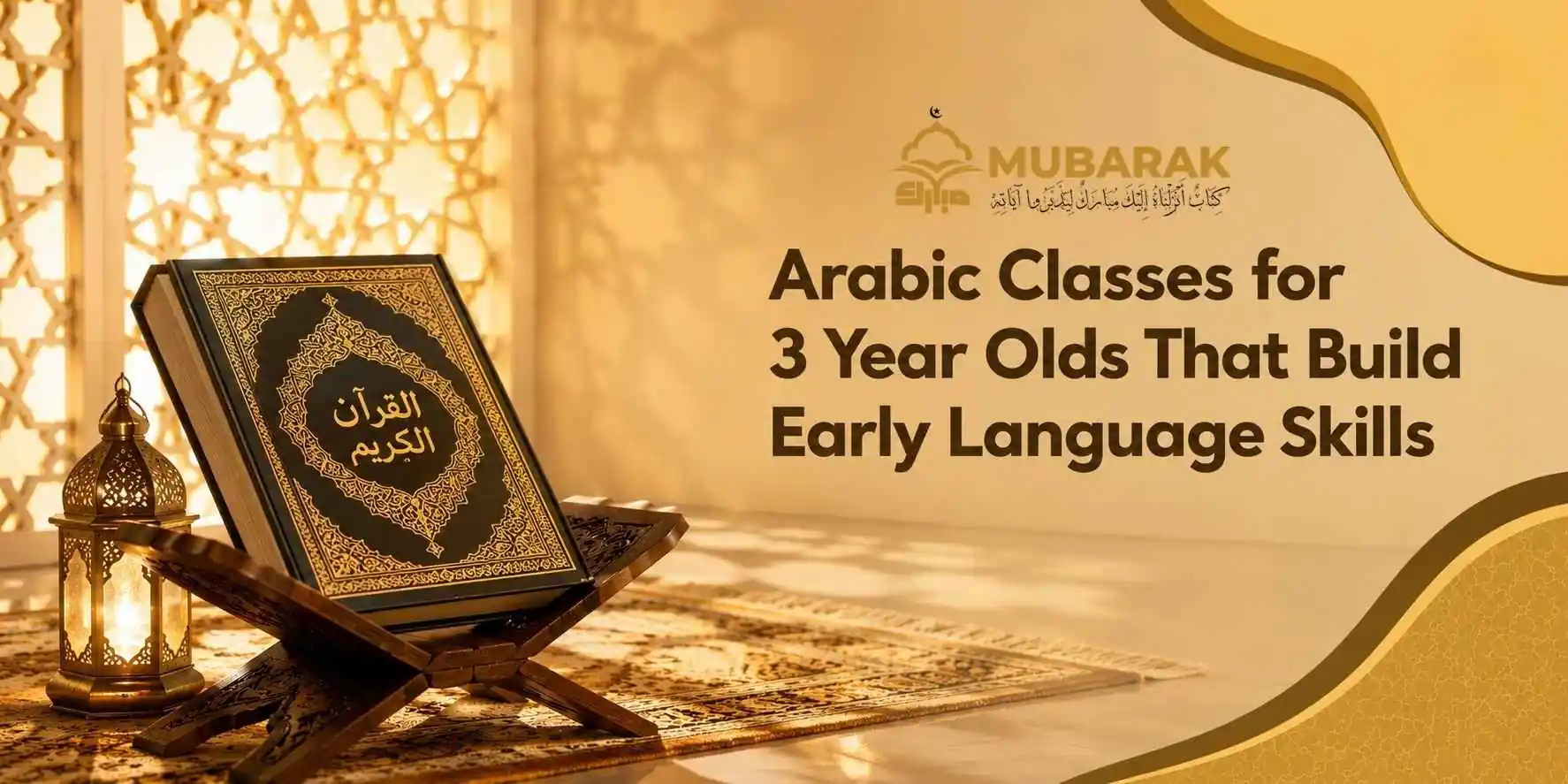
Arabic Classes for 3 Year Olds That Build Early Language Skills
Wondering if Arabic classes for 3 year olds actually work at such a young age? Many parents think that their toddler is too young to begin learning, only to see them learning new sounds more rapidly than they thought. Age three is right in the sweet spot for children to learn their pronunciation most easily […]
Ream More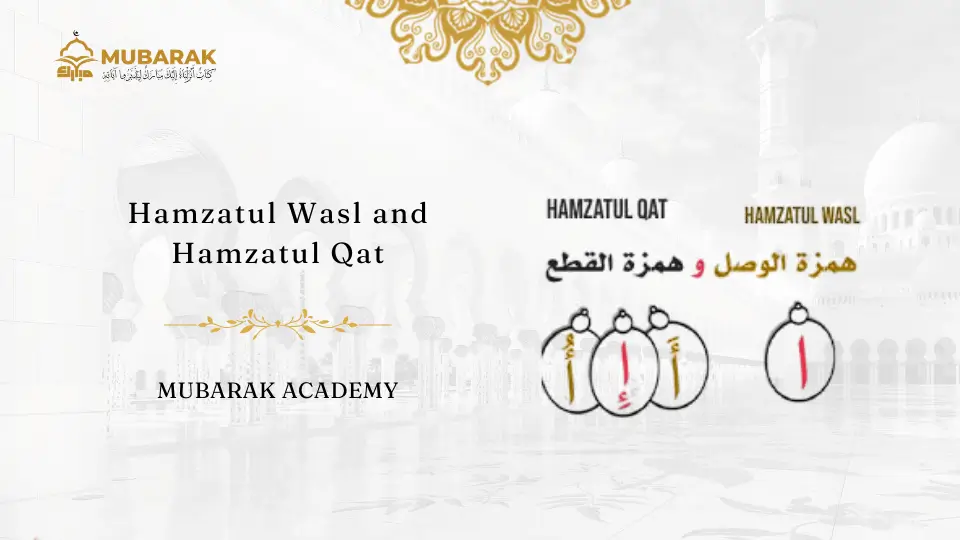
Hamzatul Wasl and Hamzatul Qat: Rules, Differences, and Examples in Tajweed
Every student of the Quran encounters a moment of confusion: why does the hamza sound disappear in some words but remain firm in others? The answer lies in one of the most foundational distinctions in Tajweed — the difference between Hamzatul Wasl (همزة الوصل) and Hamzatul Qat’ (همزة القطع). Mastering this distinction is not optional […]
Ream More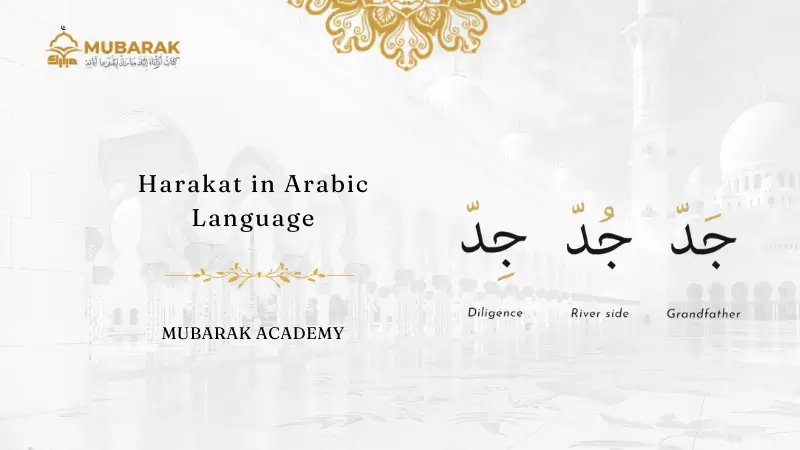
Harakat in Arabic Language
Harakat in Arabic language are one of the most important basics for anyone who wants to read Arabic correctly. These small marks may look simple, but they completely change how letters sound and how words are understood. For beginners, learning harakat is the first real step toward clear reading, correct pronunciation, and better confidence with […]
Ream More
How Hard Is It to Learn Arabic?
Many language learners hesitate to start learning Arabic because they believe it is extremely difficult. But how hard is it to learn Arabic really? The answer depends on several factors, including your native language, learning methods, and dedication. In this guide, we will explore the challenges of learning Arabic, what makes the language unique, and […]
Ream More
Best Fusha Arabic Course with Certificate
Learning a new language changes how you see the world. Learning Fusha Arabic changes how you understand an entire civilization. From literature to lectures, from news to sacred texts, Fusha connects you to authentic Arabic knowledge. This Fusha Arabic course gives you a clear roadmap to guide your journey, keep it steady, and make it […]
Ream More
Best Way to Learn Fusha Arabic
Arabic is one of the most influential languages in the world, spoken by hundreds of millions of people across the Middle East and beyond. But when learners begin their journey, they often hear the term Fusha Arabic and wonder what it really means. Is it different from spoken Arabic? Is it difficult to learn? And […]
Ream More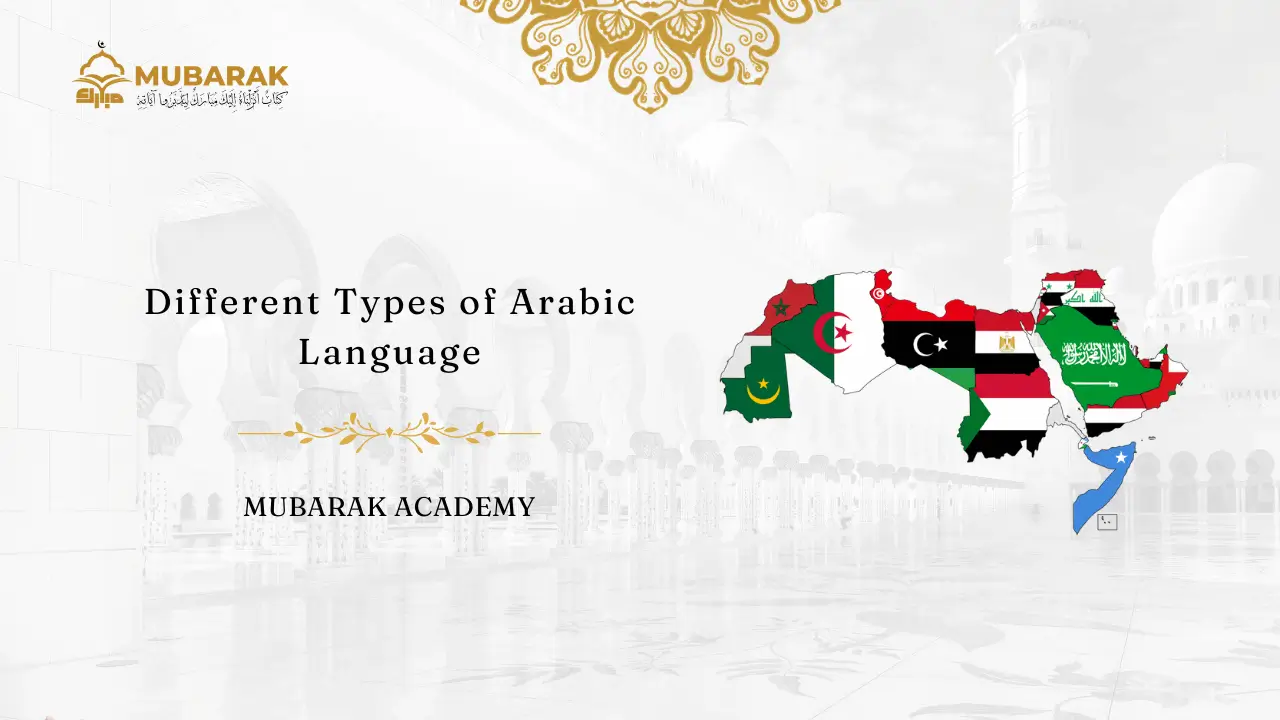
Different Types of Arabic Language
Arabic is not just a language, it is the language of the Qur’an, centuries of poetry, global media networks, and millions of daily conversations across more than 20 countries. But what many learners don’t realize is that Arabic exists in different forms, each with its own role and significance. Understanding the different types of Arabic […]
Ream More
Morphology of Arabic Language: Root System, Patterns, and Quranic Application
Arabic morphology, known in Islamic scholarship as Sarf (علم الصرف), is the science of word formation in the Arabic language. It studies how words are derived from root letters — most commonly triliteral roots consisting of three consonants — and how applying different patterns (Awzan) to those roots produces verbs, nouns, adjectives, and verbal nouns […]
Ream More
Complete Guide to Arabic Syntax for Beginners
Learning Arabic is a rewarding journey, but many students quickly realize that understanding sentence structure is just as important as memorizing vocabulary. This is where Arabic syntax plays a vital role. Whether you want to speak confidently, understand classical texts, or deepen your connection with the Quran, mastering Arabic syntax helps you move from guessing […]
Ream More
Arabic Grammar for English Speakers
Learning Arabic grammar for English speakers can feel overwhelming at first, but it doesn’t have to be. Arabic follows a logical structure with clear rules, and once the basics are understood, everything starts to connect naturally. In this guide, we’ll break down Arabic grammar in a simple, practical way, highlighting the key differences from English, […]
Ream More