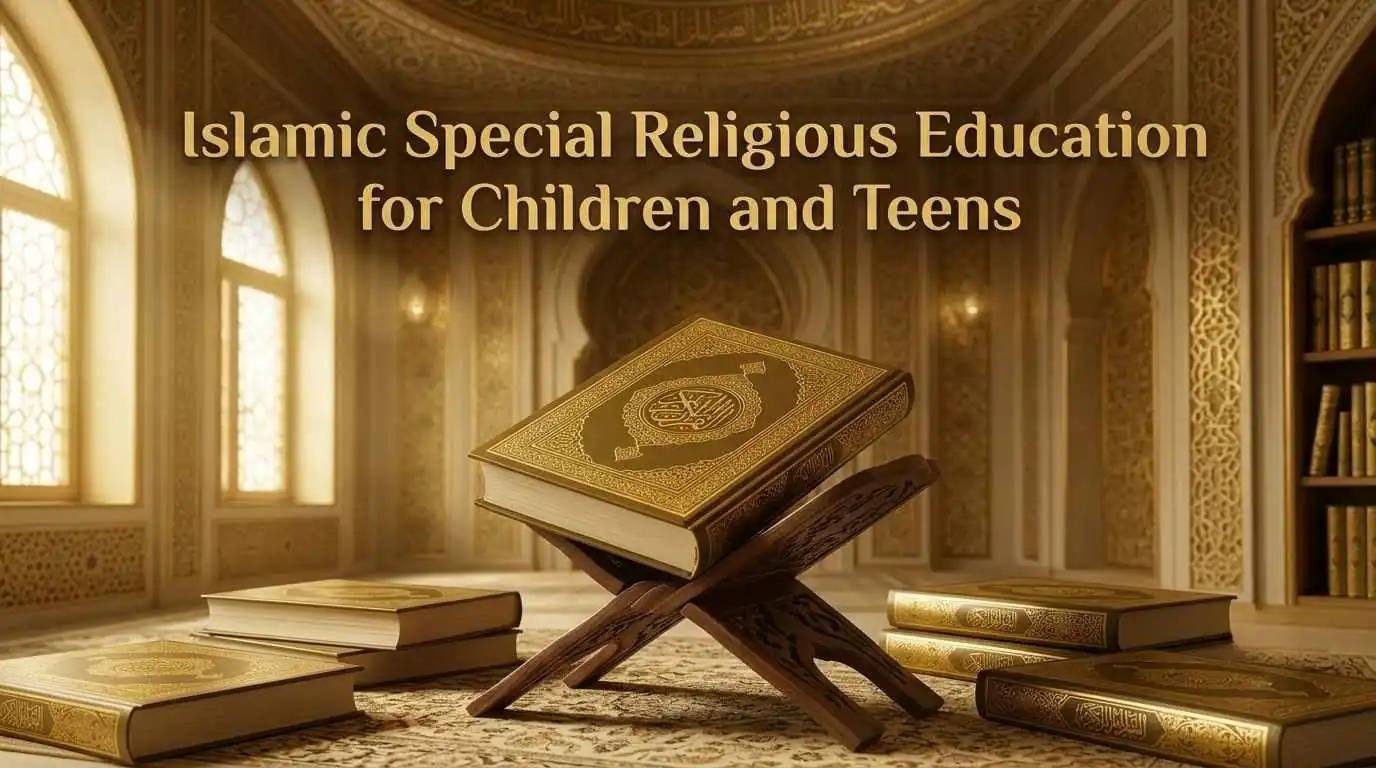
Muslim parents are often asking the same question: Does Islamic special religious education make a difference, or is it sufficient to teach Islam at home? A structured program has a depth that ad hoc lessons cannot achieve, particularly when a child begins to make choices about school, peers, and identity issues on their own. This guide addresses what students are learning, the difference between online Islamic classes and full-time schools, and the role of the family in balancing the learning of Islam with the demands of the regular school.
How Islamic Education Works in Mubarak Academy?
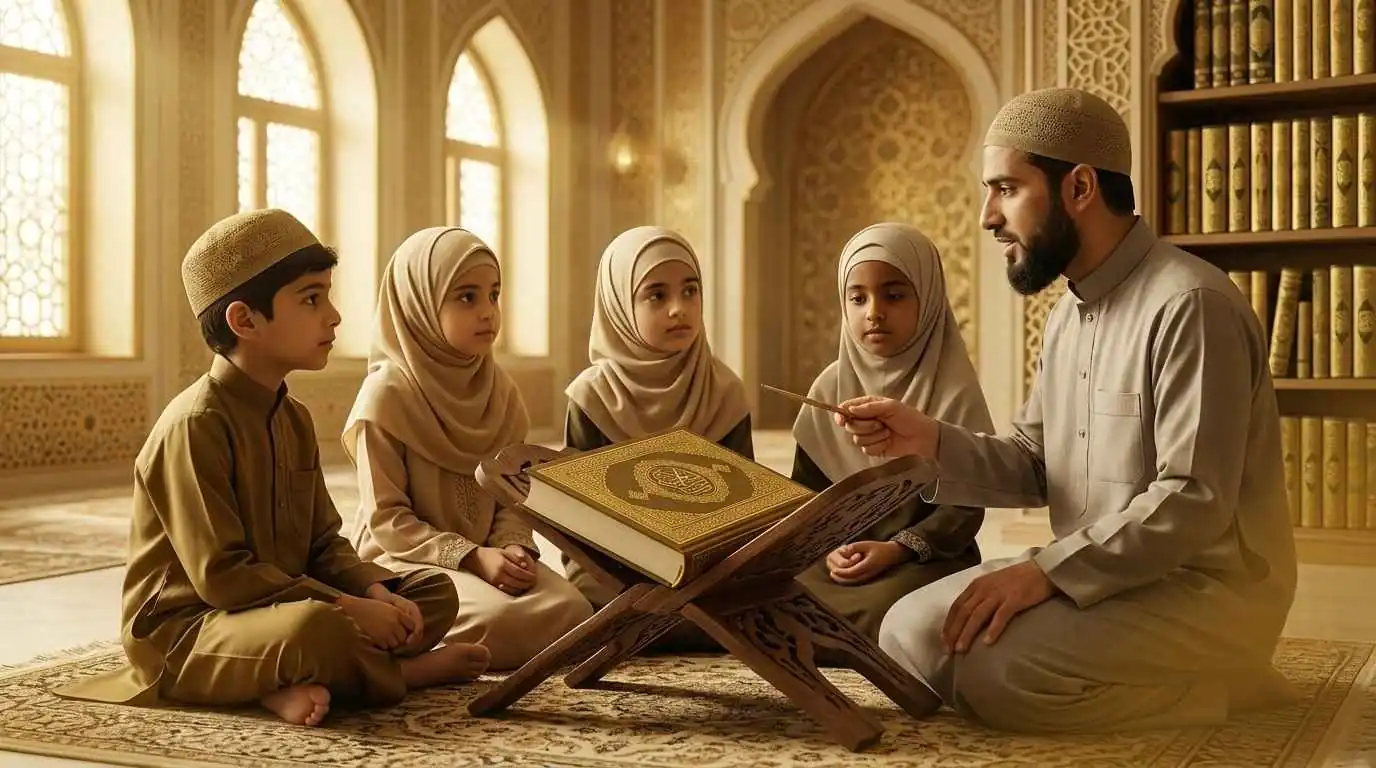
Islamic education at Mubarak Academy does not involve watching pre-recorded videos, but rather through live one-on-one or small group classes with licensed male and female teachers.
- Each student begins at a level of assessment, and the curriculum is tailored to the level of the student, not a specific starting point for all students.
- The Islamic studies track is taught through interactive dialogue, not one-way lecturing, so that students are engaged with the material and not simply memorizing it passively and includes the subjects of Aqeedah (creed), Fiqh (jurisprudence), Seerah (the biography of the Prophet (saws)), and Akhlaq (character).
The academy currently has more than 100 teachers in service and serves over 1000 students from 20+ countries, providing a sense of scale to the academy’s islamic special religious education provision.
What Students Actually Learn in islamic special religious education?
- The four fundamental pillars of Islamic special religious education (SRE) are belief (Aqeedah), practice (Fiqh), history (Seerah), and character (Akhlaq), which are adapted to the age and prior knowledge of the student.
- Aqeedah lessons lay the groundwork for the child or teen’s faith, including Tawheed, the angels, the prophets, and the Day of Judgment, which a child or teen can reason through, not just memorize.
- Fiqh lessons are geared towards the practical aspects of worship, prayer, fasting and daily conduct, so that a student not only knows what to do, but why it is important.
- This is completed with Seerah and Akhlaq lessons, which link belief and practice with actual character formation.
Explore the Best Islamic Online Courses for Quran Arabic and Tajweed
How Islamic Education Supports Muslim Identity?
A strong foundation in Islamic education goes beyond academic learning by helping children develop a clear sense of identity, purpose, and belonging. Through structured guidance and knowledgeable teachers, students gain the confidence to understand and practice their faith in everyday life.
- Islamic education helps to build Muslim identity by providing a child with language and context for who he or she is, prior to the outside world defining it for the child.
- A student who grasps the rationale behind Islamic practice, and not only the rules, carries that understanding with him into places where no one else has it.
- This is particularly important for children who are part of a religious minority, as their sense of identity is formed not only through direct instruction but also by comparison to the dominant culture.
- Children have a secure point to which they can return in structured Islamic religious education.
- This is something a textbook cannot do, and teachers trained in this area will exemplify what it means to be confident and articulate as Muslims in their everyday interactions.
Read more about the Best Islamic Online Courses for Quran Arabic and Tajweed
Special Needs and Inclusive Learning:
It is often said that special needs students are underserved in religious education in general, and Islamic education is no exception; most curricula make the assumption of a single learning pace and format. Inclusive Islamic special religious education is flexible in pacing, length of sessions, and format of teaching, not in the student.
Practical changes such as shorter sessions with more frequent breaks, one-on-one instruction rather than in groups, and repetition-based teaching for students who require more exposure to a concept before it sticks.
Visual aids and simplified language also support students with processing or attention differences to access the same core content in a different way.
Parents of a child with additional needs should directly ask teachers at a particular Islamic education center if they have experience in adapting religious instruction because general teaching qualifications do not necessarily mean that they are able to do so.
Read more about Online Islamic Homeschooling
Challenges Faced by Muslim Students:
Muslim students living in non-Muslim-majority countries often face unique challenges that can affect both their religious understanding and daily practice. Structured Islamic education helps address these challenges by providing consistent guidance, practical knowledge, and a supportive learning environment.
Challenges Faced by Muslim Students in Non-Muslim Majority Countries
- There are some particular difficulties that Muslim students in non-Muslim majority countries often encounter, such as explaining the concept of fasting or prayer timing to fellow students and teachers, dealing with school activities that clash with religious practices, and coping with subtle social pressure to minimize the visibility of religious practices such as hijab.
- The second level of difficulty is just the passage of time. Flexible-scheduling Islamic education center formats have been increasing because there is not enough time in public school and in extracurriculars to provide structured religious learning, and so there is not enough time to replace the public school.
- A third difficulty is inconsistency: there is a lack of consistency in informal, ad hoc religious teaching at home, which is not as deep as a structured curriculum that has a clear progression.
Read more about the Basic Islamic Knowledge for Kids
What Parents Should Evaluate Before Enrolling?
When considering any islamic special religious education program, enquire about:
- The curriculum, and if it has a defined sequence, or is it the same content repeated over and over?
- The teachers’ qualifications, not merely “Islamic knowledge” but specifically.
- The way the program evaluates the level of the student, as a student with some knowledge should not be required to relearn the basics.
- Also inquire about how parent communication actually happens: a program that provides specific, consistent information about what was taught demonstrates real oversight, whereas a monthly check-in typically does not.
- Last but not least, inquire about the trial process. If the program is sure of its quality, it should offer you the opportunity to try out a class before you sign up for a paid subscription.
Read more about What Is Taqwa in Islam?
Curriculum Quality Indicators:
A strong curriculum:
- Demonstrates progression from one level to the next and has clear outcomes for each level and not open-ended repetition.
- Specify the particular subjects it will be dealing with, such as Aqeedah, Fiqh, Seerah, and Akhlaq, and not say everything is Islamic knowledge.
- Incorporate the review of previously learned material before introducing new material, as religious understanding is cumulative, not static, and facts are not learned in isolation.
- A curriculum that omits this results in students who are able to regurgitate information without relating it to their everyday use.
- Another sign to look for would be whether the online Islamic courses vary the material according to age or prior knowledge or whether they teach the same material to all students regardless of their starting point.
Read more about How to Study Islam at Home
Teacher Training and Credibility:
Teacher credibility in Islamic religious education rests on two separate things, religious qualification and teaching skill, and a program should be able to speak to both.
- Religious qualification means formal study under recognized scholars or institutions, not self-taught knowledge presented as equivalent.
- Teaching skill is a separate question entirely; someone with deep religious knowledge doesn’t automatically know how to explain Fiqh to a distracted eight-year-old.
Programs worth choosing select teachers for both dimensions when teaching Islam to children and typically screen candidates through an evaluation process before they’re allowed to teach independently.
Ongoing supervision matters too. A program that reviews teacher performance periodically, rather than approving someone once and never checking again, tends to maintain consistency across its Islamic teaching over time.
What Makes a Program Academically Strong?
An academically strong program treats Islamic special religious education with the same structural rigor as any other subject: defined learning objectives, measurable progress, and periodic assessment, not just attendance.
Strength also shows in how a program handles a student who’s struggling. A weak program moves everyone forward on a fixed schedule regardless of comprehension, while a strong one adjusts pace for the individual student and revisits material until it’s actually understood.
Academic strength additionally depends on consistency between teachers, meaning a student transferred from one teacher to another should experience the same curriculum standard, not a completely different approach depending on who happens to be teaching.
Read more about Steps on How to Perform Salah
How Schools Balance Faith and American Civic Life?
Muslim families in the United States commonly navigate two systems at once: public or secular schooling that covers civic and academic requirements, and separate religious instruction that covers faith. Neither one is designed to replace the other, and most families treat them as complementary rather than competing.
- Full-time Islamic schools: That holds state accreditation, such as those recognized by regional accrediting bodies, are built specifically to satisfy academic and civic education requirements alongside religious instruction in a single institution.
- Supplemental Islamic religious education: For families whose children attend public or secular schools, supplemental islamic special religious education, delivered on weekends or after school, fills the religious gap without requiring a change in the child’s main academic setting.
- A complementary model: This model has grown specifically because it lets a family keep both systems intact.
Learn What Is Islamic Fiqh (Islamic Jurisprudence)
How to Choose the Right Option for Your Family?
A single program isn’t the right fit for every family. The best choice depends on your child’s learning environment, your family’s routine, and the level of Islamic education you want to provide. Before making a decision, consider the following factors:
- Consider your child’s current school setup: If your child already attends a full-time school, a flexible supplementary program is often the better choice than adding another full curriculum.
- Think about your family’s schedule: Choose a program that fits realistically into your weekly routine without creating unnecessary pressure.
- Evaluate your current religious education at home: Families providing limited Islamic learning at home may benefit from a more structured program.
- Choose the right learning model: Homeschooling families or those seeking a fully integrated education may prefer an accredited Islamic school that combines academic and Islamic studies.
- Compare online and in-person classes: Weigh the convenience of learning from home against the benefits of face-to-face interaction and reduced screen time.
- Select the best class format: One-on-one lessons work well for children who need personalized attention or extra support, while group classes suit children who enjoy learning with peers.
- Book a trial class before enrolling: A trial lesson offers the clearest picture of the teacher’s approach, class atmosphere, and whether the program is the right fit for your child.
Give Your Child a Structured Foundation in Faith:
Islamic special religious education works best when it’s structured, taught by qualified teachers, and adjusted to how your child actually learns, not delivered as one-size-fits-all content.
Mubarak Academy builds its Islamic Studies track around exactly this approach, with licensed teachers, individual or group session formats, level-based placement, and regular updates shared directly with parents.
Book a free trial class with Mubarak Academy to see how a real session runs before committing to a full plan.
Frequently Asked Questions
At what age should a child start Islamic studies?
Most programs accept students from early childhood through the teen years, adjusting content and pacing rather than applying a single fixed starting age.
Is one-on-one or group instruction better for Islamic studies?
One-on-one instruction suits a child needing individualized pacing or additional support, while group instruction adds peer motivation for children who engage well socially.
Can Islamic studies be combined with Quran memorization and Arabic language classes?
Yes. These subjects are commonly taught together in Islamic studies courses online since the Quran, Arabic, and Islamic studies reinforce each other rather than functioning as separate, unrelated tracks.
How is progress in Islamic studies actually measured?
Through periodic assessment of specific covered material, Aqeedah, Fiqh, Seerah, and Akhlaq, rather than general impressions of engagement or attendance alone.
Do teachers need formal religious credentials, or is general knowledge enough?
Formal study under recognized scholars or institutions is the standard for credible teaching; general self-taught knowledge without that background is not considered equivalent.
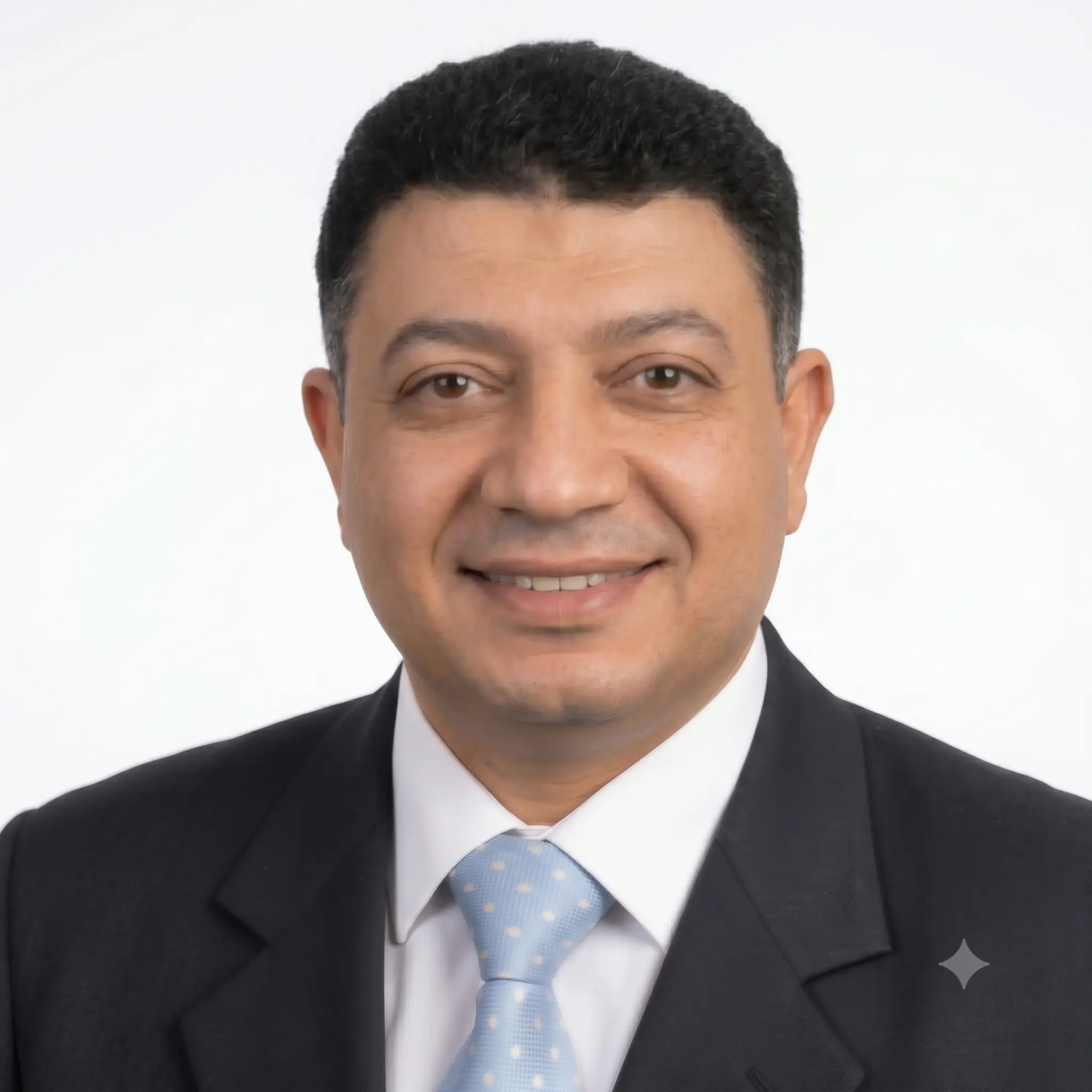
Ustadh Ahmed Mahmoud Abdulaziz is an experienced teacher of Arabic and the Holy Quran for native and non-native speakers. He holds a verified Ijazah in Hafs ‘an Asim and is certified in the foundational Tajweed texts Al-Jazariyyah and Tuhfat Al-Atfal. Drawing on his extensive background in traditional Quranic recitation and international pedagogy, he writes scholar-verified, accessible articles to help students worldwide master Tajweed rules and Arabic linguistics safely and accurately.