Structured Timetable For Quran Memorization
A timetable for quran memorization is essential because it offers the stability, discipline, and structure required for long-term success. Establishing a pattern through the creation of a plan guarantees regular, concentrated study times that are more productive and make memorization easier and more enjoyable, whether you’re a beginner or already on your Hifz journey. Importance […]
Read More
How To Learn Quran with Tajweed at Home
Learning the Qur’an with Tajweed is one of the most beautiful journeys a Muslim can take. However, busy schedules, long commutes, and limited access to qualified teachers lead many learners to study from home without fully considering the challenges of learning alone. But don’t worry, this step-by-step guide will show you how to learn Quran […]
Read More
Online Teaching Quran For Non Arabic Speakers
Teaching Quran for non Arabic speakers is a noble mission, one that connects hearts to the words of Allah, no matter their language, background, or age. Today, millions of Muslims worldwide seek to learn how to recite the Qur’an correctly, understand its meaning, and improve their relationship with their Creator. Whether you’re a parent or […]
Read More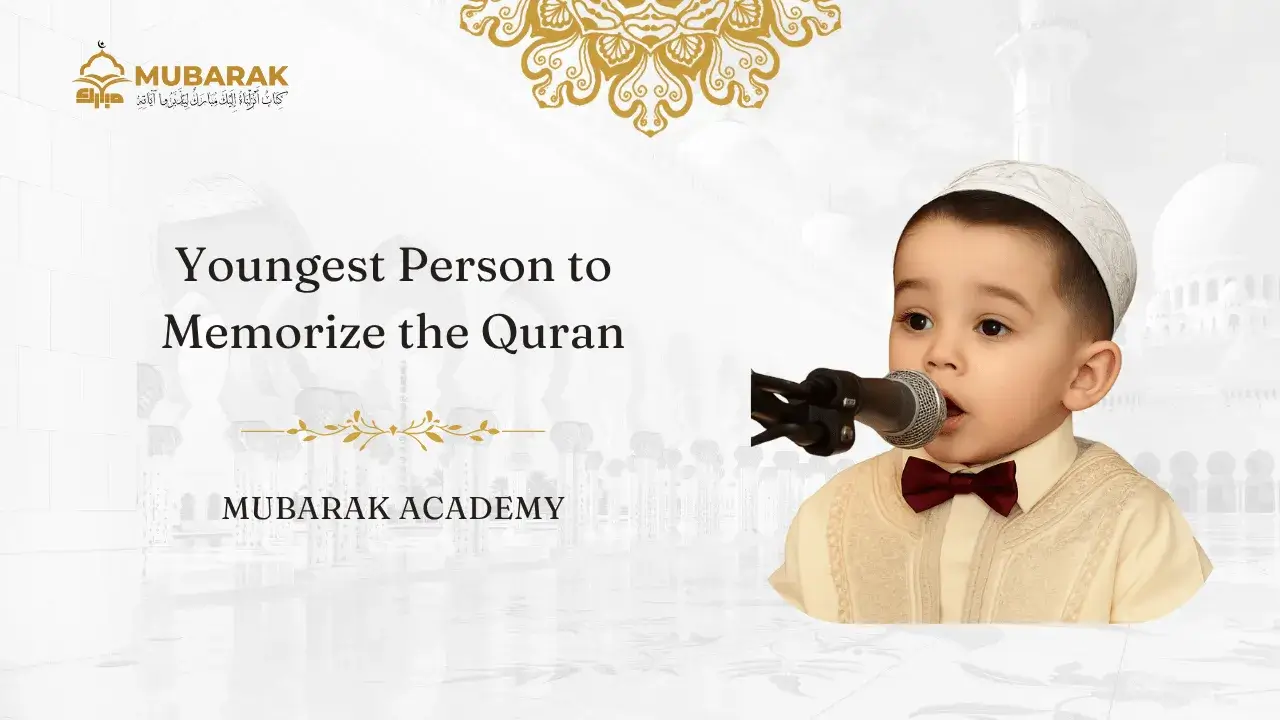
Youngest Person to Memorize the Quran
Millions have memorized the Quran across generations, but some of the most inspiring stories come from children who begin their journey at an exceptionally young age. Their dedication, innocence, and remarkable memory often leave adults amazed. In this article, we explore the youngest person to memorize the Quran, the benefits of early memorization, how children […]
Read More
How to Memorize Juz Amma Fast with Mubarak Academy
At Mubarak Academy, we remind our students that memorizing the Qur’an is not just an academic goal; it is an act of worship, a source of light in the heart, and a journey that brings you closer to Allah. Suppose you’re starting this beautiful journey. In that case, Juz Amma is the perfect place to […]
Read More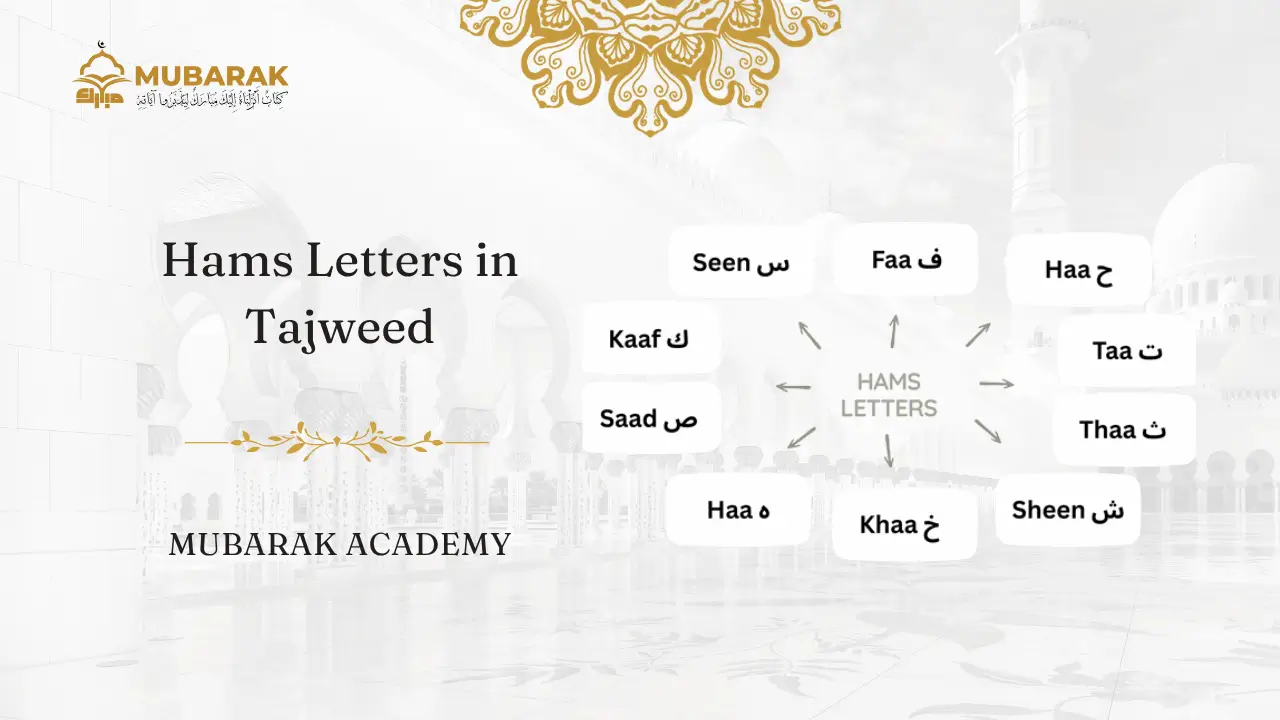
Your Guide to the 10 Hams Letters in Tajweed with Examples
Hams is a crucial aspect of Tajweed rules that impacts the articulation of Arabic letters to enhance the pronunciation of the Quranic text during recitation. Mastering it helps reciters pronounce the Qur’an clearly and beautifully. In this article, we’ll explore the meaning of Hams in Tajweed, list the Hams letters in Tajweed with Quranic examples, […]
Read More
Discover Major and Minor Mistakes in Tajweed to Avoid Them
Perfecting Quranic recitation needs a good grasp of Tajweed rules, plus knowing the major and minor mistakes in Tajweed (known as Lahn), which prevent you from falling into serious mistakes that can change the meaning of Allah’s words. By learning these types of mistakes, you can recite the Qur’an accurately, reflect proper reverence, and preserve […]
Read More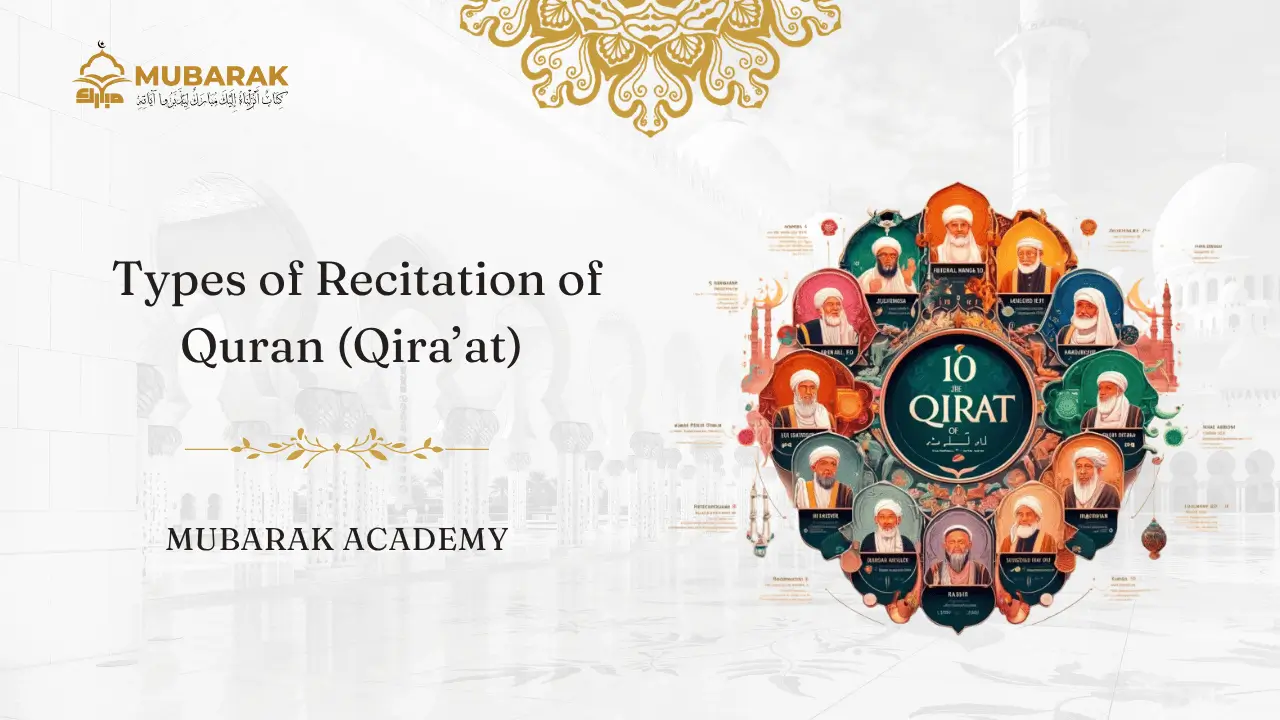
Different Types of Recitation of Quran & How to Learn Them
Have you ever wondered why some people recite the Qur’an differently, yet beautifully? Or why do we hear reciters like Al-Hussary, Sudais, or Warsh sounding unique, but still correct? That’s the beauty of Tilawah, reciting the Qur’an as it was revealed, following proper Tajweed rules and the various Types of Recitation of Quran known as […]
Read More
Top 10 Best Quran Reciters in the World
The Qur’an is more than a sacred book; it’s a living miracle meant to be recited, heard, and felt in the depths of the heart. The way it’s recited can move millions, soften hearts, and bring peace to the soul. From legendary Egyptian reciters to modern voices, Qur’an recitation is an art rooted in faith […]
Read More
What Is Sifaat in Tajweed? (Their Importance and Types Explained)
Learning Tajweed isn’t just about how you pronounce each letter, it’s about how that letter behaves when you pronounce it. That’s where Sifaat al huroof (صفات) come in. In this detailed guide, we’ll explain what is Sifaat in Tajweed, their importance, the difference between Makharij and Sifaat, the main types of Sifaat, and how to […]
Read MoreRecent Post

Tafkheem and Tarqeeq in Tajweed
March 9, 2026