

The Quran describes itself as “a reminder” — and then, in the same breath, acknowledges that human beings forget. Allah (SWT) says: “We will make you recite, and you will not forget — except what Allah wills.” (Surah Al-A’la 87:6–7). This verse is not a warning; it is an invitation. The one who forgets is reminded to return to Allah in supplication. Dua for memorizing the Quran is not a supplement to your hifz routine — it is the foundation upon which every successful memorisation rests.
This guide provides the authentic duas used by students of Quran across generations, with Arabic text, transliteration, and the specific times and conditions under which supplication is most likely to be accepted.
What Is the Role of Dua in Quran Memorization?
Dua (دعاء) in the context of hifz is the act of asking Allah (SWT) directly to grant the memoriser ease of retention, clarity of understanding, and permanence of what has been memorised. It is not a replacement for structured effort — revision (muraaja’ah), correct recitation (tajweed), and qualified teaching are all required — but it is the spiritual condition that makes those efforts productive.
The Prophet Muhammad ﷺ said: “Dua is worship.” [Sunan Abu Dawud, No. 1479; graded Sahih by Imam al-Albani]. This means the act of supplicating for help with the Quran is itself an act of worship — the student is rewarded simply for asking, independent of what is memorised that day.
For students looking to build a complete memorisation system alongside their duas, the guide on How to Memorize Quran Easily covers the full method from first verse to completion.
Dua for Memorizing the Quran
The following duas are drawn from the Quran and authenticated Sunnah. Each is presented with Arabic text, transliteration, and contextual guidance on when and how to use it.
1. Dua for Knowledge and Understanding — From the Quran
Arabic:
رَبِّ زِدۡنِي عِلۡمًا
Transliteration: Rabbi zidnī ‘ilmā
Translation: “My Lord, increase me in knowledge.” (Surah Taha 20:114)
This is one of only two instances in the entire Quran where Allah (SWT) commands the Prophet ﷺ to ask for more of something — and that something is knowledge. Recite this before every hifz session, understanding that Quranic memorisation is the highest form of seeking ‘ilm (knowledge). The simplicity of this dua is deliberate: it places the student in a posture of complete dependence on Allah as the source of all knowledge.
Pairing this with a structured timetable for Quran memorization ensures consistency and better retention.
2. Dua for Beneficial Knowledge and Retention
Arabic:
اللَّهُمَّ انْفَعْنِي بِمَا عَلَّمْتَنِي، وَعَلِّمْنِي مَا يَنْفَعُنِي، وَزِدْنِي عِلْمًا
Transliteration: Allāhumma anfa’nī bimā ‘allamtanī, wa ‘allimnī mā yanfa’unī, wa zidnī ‘ilmā
Translation: “O Allah, benefit me with what You have taught me, teach me what will benefit me, and increase me in knowledge.”
This dua is reported from the Prophet ﷺ and recorded by Imam al-Tirmidhi [Sunan al-Tirmidhi, No. 3599; graded Hasan]. It contains three requests critical to every hifz student: that existing knowledge becomes beneficial (not merely stored), that new knowledge be granted, and that the student continues to grow. Recite it upon completing a memorisation session.
Best Female Hifz Teacher for Online Quran Memorization
3. Dua for the Quran to Settle in the Heart
Arabic:
اللَّهُمَّ اجْعَلِ الْقُرْآنَ رَبِيعَ قَلْبِي، وَنُورَ صَدْرِي، وَجَلَاءَ حُزْنِي، وَذَهَابَ هَمِّي وَغَمِّي
Transliteration: Allāhumma ij’al al-Qur’āna rabī’a qalbī, wa nūra ṣadrī, wa jalā’a ḥuznī, wa dhahāba hammī wa ghammī
Translation: “O Allah, make the Quran the spring of my heart, the light of my chest, the remover of my sadness, and the reliever of my worry and grief.”
This supplication is recorded by Imam Ahmad ibn Hanbal in his Musnad [Musnad Ahmad, No. 3712] on the authority of Abdullah ibn Mas’ud (رضي الله عنه). The metaphor of the Quran as rabi’ — spring — is significant: just as spring renews the earth after winter, the Quran renews a heart that has become hardened by distraction or spiritual distance. Recite this when memorisation feels difficult or motivation is low.
Best Online Quran Memorization Program for Every Student
4. Dua for Firm Retention — Not Forgetting
Arabic:
اللَّهُمَّ ثَبِّتِ الْقُرْآنَ فِي قَلْبِي، وَلَا تَجْعَلْنِي أَنْسَاهُ مَا حَيِيتُ
Transliteration: Allāhumma thabbit al-Qur’āna fī qalbī, wa lā taj’alnī ansāhu mā ḥayītu
Translation: “O Allah, make the Quran firm in my heart, and do not let me forget it as long as I live.”
Forgetting memorised Quran is addressed directly in the Sunnah. The Prophet ﷺ said: “Keep refreshing your knowledge of the Quran, for by the One in Whose Hand is my soul, it escapes faster than a camel from its tying ropes.” [Sahih al-Bukhari, No. 5033; narrated by Abu Hurairah (رضي الله عنه)]. This dua pairs with that warning — asking Allah to do what consistent revision alone cannot guarantee: to make the memorisation permanent.
Quran Hifz Classes for Ladies with Female Teachers Online
5. Simple Personal Dua for Hifz (In Any Language)
Allah (SWT) hears supplication in every language. For students who are not yet comfortable in Arabic, this personal dua captures the essential requests:
“O Allah, make the memorisation of Your Book easy for me. Help me to recite it correctly, understand it deeply, and never forget it. Make the Quran my companion in this life, in my grave, and on the Day of Judgment. Ameen.”
Presence of heart (khushu’) matters far more than language. A dua spoken with genuine need in one’s mother tongue carries more weight before Allah than a memorised Arabic phrase recited without attention.
explore our courses
Best Times to Make Dua for Memorising Quran
Not all moments carry equal spiritual weight. The following times are established in the Sunnah as periods when supplication is most likely to be accepted — prioritise your hifz duas accordingly:
| Time | Evidence |
|---|---|
| Last third of the night (Tahajjud) | Allah descends to the lowest heaven and calls: “Who is supplicating so I may answer?” [Sahih al-Bukhari, No. 1145] |
| During sujood (prostration) | “The closest a servant is to his Lord is when he is in sujood, so make much supplication.” [Sahih Muslim, No. 482] |
| Between adhan and iqamah | “Dua between the adhan and iqamah is not rejected.” [Sunan Abu Dawud, No. 521; graded Sahih] |
| After the obligatory prayers | Specifically after Fajr and Asr, when angels gather [Sahih al-Bukhari, No. 555] |
| On Friday, the final hour before Maghrib | “There is an hour on Friday in which no Muslim stands and asks Allah for good except that He gives it to him.” [Sahih al-Bukhari, No. 935] |
| During Laylat al-Qadr (last 10 nights of Ramadan) | Better than a thousand months (Surah Al-Qadr 97:3) — the most powerful night for any supplication |
Making hifz duas at these times does not replace structured revision — it surrounds the effort with the conditions most favourable for Allah’s acceptance.
Making dua at these moments adds barakah to your memorization and revision.
Learn Quran Reading With Tajweed For Beginners Step By Step
Dua for Memorizing Quran in Arabic: Ramadan Supplications
Ramadan holds a unique position in the relationship between Muslims and the Quran. The Prophet ﷺ would review the entire Quran with Jibreel (عليه السلام) once every Ramadan — and twice in his final year [Sahih al-Bukhari, No. 3624]. For the hifz student, Ramadan is not simply a spiritually elevated month — it is the month in which the Quran itself was revealed (Surah Al-Baqarah 2:185), and in which every act of worship, including memorisation and supplication, carries amplified reward.
The following duas are specifically suited to daily Ramadan practice:
Dua for Ease in Memorization
Arabic:
اللَّهُمَّ يَسِّرْ لِي حِفْظَ كِتَابِكَ كَمَا يَسَّرْتَهُ عَلَى عِبَادِكَ الصَّالِحِينَ
Transliteration: Allāhumma yassir lī ḥifẓa kitābika kamā yassartahu ‘alā ‘ibādika al-ṣāliḥīn
Translation: “O Allah, make it easy for me to memorise Your Book, just as You made it easy for Your righteous servants.”
Learn Quran Recitation Classes Online With a Certified Teacher
Dua for Firmness in Retention
Arabic:
اللَّهُمَّ ثَبِّتِ الْقُرْآنَ فِي قَلْبِي وَلَا تَجْعَلْنِي أَنْسَاهُ مَا حَيِيتُ
Transliteration: Allāhumma thabbit al-Qur’āna fī qalbī wa lā taj’alnī ansāhu mā ḥayītu
Translation: “O Allah, make the Quran firm in my heart and do not let me forget it as long as I live.”
Explore Online Tajweed Classes
Dua for Barakah in Time
Arabic:
اللَّهُمَّ بَارِكْ لِي فِي وَقْتِي وَاجْعَلْ كُلَّ يَوْمٍ يُقَرِّبُنِي مِنْ إِتْمَامِ حِفْظِ كِتَابِكَ
Transliteration: Allāhumma bārik lī fī waqtī waj’al kulla yawmin yuqarribunī min itmāmi ḥifẓi kitābika
Translation: “O Allah, bless my time and make every day bring me closer to completing the memorisation of Your Book.”
Recite these after Fajr and at the moment of breaking fast (Iftar) — both are times of accepted supplication established in the Sunnah. The student who combines Tarawih prayer with daily memorisation and these supplications will find Ramadan the most productive period of their entire hifz journey.
For a structured approach to the Benefits of Reciting Quran Daily and how consistent daily recitation supports memorisation, that guide covers the spiritual and cognitive dimensions in detail.
Read Also: How to memorize Quran without forgetting
Ramadan Habits That Strengthen Hifz Alongside Dua
Dua during Ramadan is most effective when paired with deliberate practice. Three habits that experienced hifz students consistently report:
- Memorise after Fajr. The early morning hours — after the obligatory prayer and its supplications — offer the clearest and most retentive mental state of the day. Even half a page memorised with full presence after Fajr is more durable than two pages memorised in a distracted afternoon session.
- Revise during Tarawih and Sunnah prayers. Use the Sunnah rak’ahs following Tarawih to recite the portions memorised that day. This embeds the new material into Salah — the context in which it will be used for the rest of the student’s life.
- Set a non-negotiable minimum. Consistency matters more than volume. A student who memorises half a page every day for a year completes more than Juz’ ‘Amma and maintains it — a student who memorises two pages for a week and stops achieves nothing durable.
Quran Verses on Parents in Arabic: Full Text, Transliteration & Meaning
3 Common Mistakes When Making Dua for Hifz
1. Separating Dua from Effort
The Prophet ﷺ instructed: “Tie your camel, then put your trust in Allah.” [Sunan al-Tirmidhi, No. 2517; graded Hasan]. Dua without effort is not trust — it is negligence. In hifz, this means attending lessons consistently, revising daily (muraaja’ah), and correcting recitation under a qualified teacher. When structured effort and sincere supplication are combined, the conditions for Allah’s assistance are complete.
To understand which revision and retention methods work alongside dua, the article on Quran Memorization Techniques details the approaches used by successful huffaz.
2. Rushing Dua Without Presence of Heart
The Prophet ﷺ said: “Know that Allah does not answer a dua from a heedless, inattentive heart.” [Sunan al-Tirmidhi, No. 3479; graded Hasan]. A dua recited mechanically — eyes moving, mind elsewhere — carries no weight of supplication. Before beginning any hifz dua, pause. Recall what is being asked for. Understand that the words being memorised are the speech of Allah (SWT), and that asking Him to preserve them in the heart is among the most significant requests a person can make.
How to Memorize Juz Amma Fast with Mubarak Academy?
3. Losing Patience Before the Result Arrives
Hifz is a long undertaking. The Quran contains 6,236 verses across 114 surahs. Progress is not always visible week to week. The companion Abdullah ibn Mas’ud (رضي الله عنه) reportedly said that he would spend ten days on ten verses, not moving forward until he had understood them and acted upon them [Reported by Ibn Jarir al-Tabari]. Patience in memorisation is itself a form of worship — and the reward for those who persevere is clearly established. The Prophet ﷺ said: “It will be said to the companion of the Quran: Recite and ascend — for your rank will be at the last verse you recite.” [Sunan Abu Dawud, No. 1464; graded Hasan].
For students who struggle with retention across long periods, the guide on Quran Memorization Word by Word explains the method that addresses forgetting at its root — building comprehension before memorisation.
The Spiritual Station of Those Who Memorise the Quran
Understanding why the effort is worth the patience matters. The Prophet ﷺ said: “The one who is skilled in the Quran will be with the noble, righteous scribes (angels), and the one who recites the Quran and finds it difficult — yet persists — will have a double reward.” [Sahih al-Bukhari, No. 4937; narrated by Aisha (رضي الله عنها)].
Two rewards are promised — not one. The student who finds memorisation difficult is not excluded from the highest stations; they are specifically addressed. This hadith is among the most important pieces of knowledge a hifz student can carry through the years of their memorisation.
Conclusion
Dua for memorizing the Quran is not a ritual added to the edges of a hifz routine. It is the spiritual condition that determines whether the effort will be accepted, blessed, and made lasting. The duas documented in the Quran and authenticated Sunnah — from Rabbi zidnī ‘ilmā to the supplications of Musnad Ahmad and Sunan al-Tirmidhi — give the memoriser direct, evidence-based access to Allah’s assistance at every stage of the journey.
Memorise with structure. Revise with consistency. Supplicate with presence. Allah (SWT) says: “And those who hold fast to the Book and establish prayer — indeed, We will not allow to be lost the reward of the reformers.” (Surah Al-A’raf 7:170)
If you are ready to begin or to accelerate your hifz journey under qualified guidance, the Quran Memorization Course at Mubarak Academy offers structured, teacher-led programmes for all ages and levels.
How Mubarak Academy Helps Students Memorize the Quran With Consistency
At Mubarak Academy, we understand that memorizing the Quran is not just about lessons; it’s a journey that needs support, patience, and consistency. That’s why we focus on both the spiritual and practical side of hifz. Our teachers gently guide students to make dua, memorize correctly, and revise regularly, all in a balanced and realistic way.
With personalized study plans, ongoing follow-ups, and caring online classes, students never feel lost or overwhelmed. Instead, they build steady habits, gain confidence, and stay motivated step-by-step until Quran memorization becomes a natural part of their daily life.
Start with a Free Trial Today!
FAQs About Dua For Memorizing the Quran
1. What is the best dua for memorizing the Quran?
The most authenticated dua directly connected to knowledge and memorisation is from Surah Taha (20:114): “Rabbi zidnī ‘ilmā” — “My Lord, increase me in knowledge.” Combine it with the supplication from Sunan al-Tirmidhi (No. 3599): “O Allah, benefit me with what You have taught me, teach me what will benefit me, and increase me in knowledge.” Both are brief, authentic, and carry the specific request for ‘ilm that encompasses Quranic memorisation.
2. Should I make dua before or after memorizing the Quran?
It’s best to do both. Before memorizing, ask Allah to make it easy. After memorizing, ask Him to help you retain what you learned and keep it firm in your heart.
3. Is Ramadan the best time to memorize the Quran?
For many people, yes. Ramadan creates a spiritually uplifting environment that helps increase focus, motivation, and connection with the Quran.
4. Why is dua so important for memorizing the Quran?
Because memorizing the Quran is both a mental and spiritual journey. Dua strengthens your connection with Allah, gives you patience during challenges, and helps you stay consistent.
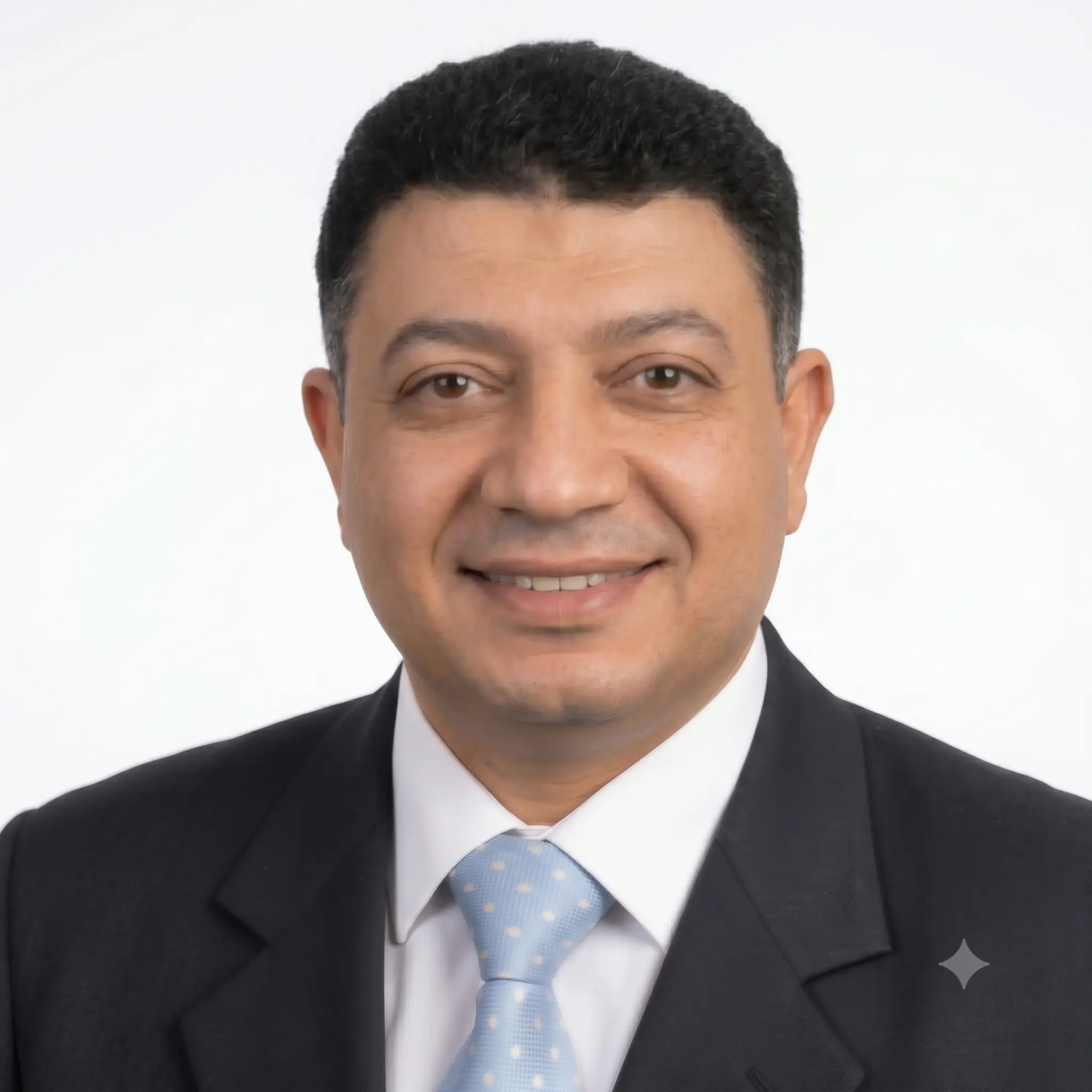
Ustadh Ahmed Mahmoud Abdulaziz is an experienced teacher of Arabic and the Holy Quran for native and non-native speakers. He holds a verified Ijazah in Hafs ‘an Asim and is certified in the foundational Tajweed texts Al-Jazariyyah and Tuhfat Al-Atfal. Drawing on his extensive background in traditional Quranic recitation and international pedagogy, he writes scholar-verified, accessible articles to help students worldwide master Tajweed rules and Arabic linguistics safely and accurately.