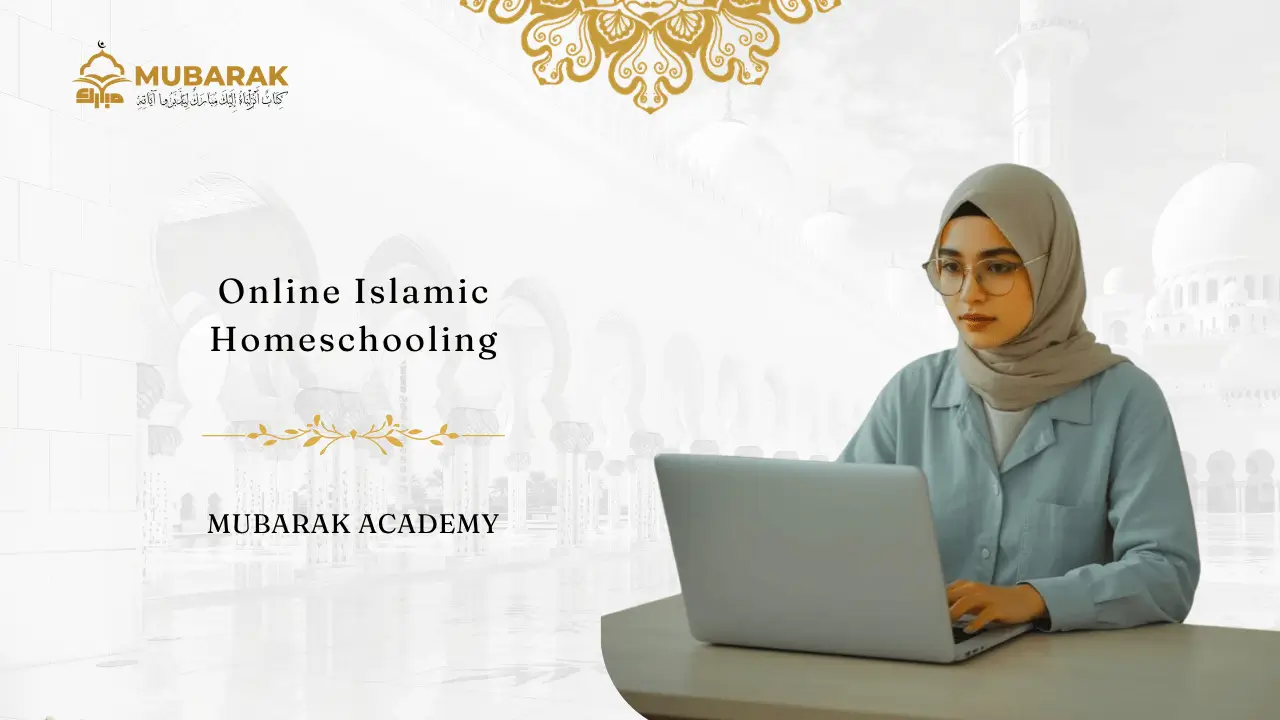
For many Muslim parents, education is not only about grades. It is about raising children who can read the Quran correctly, understand their deen, and learn in an environment that protects both faith and focus. That is why online Islamic homeschooling has become a strong choice for families who want flexibility without compromising their Islamic values. When it is structured well, it combines home-based learning, qualified online teachers, and a routine that fits your child’s age, pace, and spiritual goals.
What Is Online Islamic Homeschooling?
Online Islamic homeschooling is a home-based education model where parents guide the overall learning routine while qualified teachers deliver part of the instruction online. In practice, that often means a child studies at home, follows a personalized schedule, and joins live or guided lessons in Quran, Tajweed, Arabic, and Islamic Studies. According to NCES, 5.2% of students received instruction at home in the 2022–23 school year, including 3.4% who were homeschooled.
Key Benefits of Online Islamic Homeschooling
Online Islamic homeschooling has become a preferred choice for many Muslim families seeking faith-based education, flexible schedules, and greater parental involvement.
Here are the main benefits of Online Islamic homeschooling:
1. Faith and Learning Stay Connected
In many traditional schools, Islamic learning is often treated as something extra, added after school or on weekends. But with online Islamic homeschooling, subjects like Quran, Tajweed, Arabic, and Islamic Studies become part of the daily routine, not an afterthought.
This consistency helps children connect what they learn with how they live. It’s not just about memorizing information, but about building a strong Islamic identity and understanding their faith in a natural, meaningful way.
2. A Flexible Schedule That Fits Your Child
Every child learns differently. Some need more time with pronunciation, while others may be ready for Quran memorization or deeper Islamic studies. That’s what makes online Islamic homeschooling so helpful, as it gives you the freedom to slow down when needed, move faster when your child is ready, and shape the learning in a way that actually works for them.
With programs like Mubarak Academy, you get options like one-on-one or group classes, flexible timings, and continuous support, so whether you have a busy schedule, live in a different time zone, or are teaching more than one child, everything feels more manageable and less stressful.
3. Children Get Live Correction
A major strength of good online Islamic homeschooling is teacher feedback, which is especially important in Quran recitation, Tajweed, and Arabic pronunciation, where small mistakes can become lasting habits if they are not corrected early by a qualified teacher.
With live sessions, personalized feedback, and regular assessments, children can improve faster and build confidence in their learning.
Give Your Child the Right Learning Environment
With online Islamic homeschooling, your child can learn comfortably from home while staying connected to their deen
According to NCES, 83% of parents chose homeschooling because of concerns about other school environments, while 75% wanted moral instruction, and 72% valued both family life and academic quality. These numbers highlight why this model appeals to parents seeking a more balanced and deen-centered education.
What Subjects Are Taught in Online Islamic Homeschooling?
Online Islamic homeschooling isn’t just about studying; it’s about helping your child grow in a way that feels balanced and meaningful.
At Mubarak Academy, learning is built around both Islamic knowledge and practical skills, so children can understand their deen while also developing strong everyday abilities.
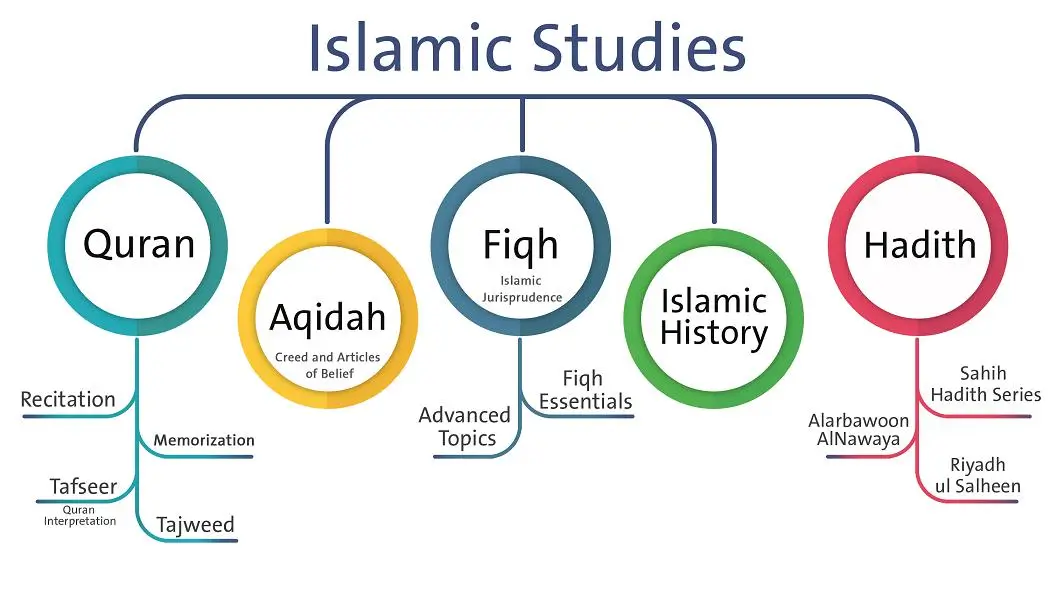
1. Islamic Studies
This is where children start to really connect with their faith, not just by memorizing, but by understanding.
They learn things like:
- Aqeedah: the basics of what Muslims believe
- Fiqh: how to practice Islam in daily life, like Zakah and Salah
- Seerah: the life of Prophet Muhammad ﷺ in a way they can relate to
- Hadith: simple teachings that they can apply every day
- Akhlaq: how to be kind, respectful, and mindful in their behavior
Over time, these lessons become part of how they think and act, not just something they study.
2. Quran Studies
For many families, this is the heart of the journey.
Children start step by step, first learning how to read, then improving their pronunciation, and slowly building confidence. Some may move into memorization, while others focus on understanding meanings.
It’s not rushed. It grows with the child, at their own pace, until the Quran feels familiar and close to their heart.
Explore Our Quran Memorization Course
3. Arabic Language
Learning Arabic can feel challenging at first, but it becomes much easier when it’s taught in a simple, supportive way.
Kids begin with the basics like reading and writing, then slowly build vocabulary and understand how the language works. Also, we help them at Mubarak Academy to speak a little, which makes learning more fun and interactive.
And the best part? We help them understand the Quran more deeply.
If you’d like your child to understand the Quran more deeply, starting with an Arabic language course can make a big difference.
How Online Islamic Homeschooling Works
Online Islamic homeschooling is simple, flexible, and easy to fit into your daily routine, especially when you follow a clear, supportive process like the one at Mubarak Academy. Here’s how it is:
1. Choose Your Package
Start by picking the plan that works best for your child. If you’re not sure yet, you can always request a free trial to see how everything works before committing.
2. Get Ready to Learn
Download Zoom and make joining classes super easy.
3. Find a Quiet Space
Create a calm, comfortable place for your child to focus. A quiet environment really helps them understand better and stay engaged during lessons.
4. Join the Live Class
Once everything is set, you’ll receive your class link. Your child joins their teacher in a live, interactive session, learning step by step with guidance and support.
5. Practice & Grow
After each lesson, your child continues practicing through simple exercises, revision, and feedback. This helps them improve steadily and build confidence over time.
A Simple System That Works
What makes this process special is how easy and flexible it feels. You’re not overwhelmed, you’re supported every step of the way, while your child learns in a calm, structured environment.
How to Choose the Right Online Islamic Homeschooling Program
Choosing the right online Islamic homeschooling program becomes easier when parents follow a few practical steps.
- Check the qualifications of the teachers
- Review the curriculum carefully
- Look for real results and experience
- Make sure the schedule fits your family.
- Start with a trial lesson
- Choose a program that supports both parents and students
Mubarak Academy’s track record reflects meaningful experience in online Islamic education, with 1,000 students enrolled, 100+ professional tutors, a presence in 20+ countries, and more than 80,000 teaching hours delivered.
Start your child’s learning journey with Mubarak Academy today!
Conclusion
Online Islamic homeschooling is not just a modern trend. For many Muslim families, it is a practical way to protect values, improve flexibility, and build a stronger connection to the Quran in daily life. When the right teachers, curriculum, and routine come together, children can grow in recitation, language, Islamic understanding, and confidence from home. The goal is not to copy traditional schooling at home. It is to build a learning path that truly serves your child, your schedule, and your Islamic goals.
FAQs About Online Islamic Homeschooling
1. Is online Islamic homeschooling suitable for beginners?
Yes. A well-structured program is designed to support beginners and guide them step by step from the basics.
2. Do parents need to know Arabic to homeschool Islamically online?
Not necessarily. Consistency matters more than fluency. Choosing qualified teachers who explain clearly and communicate well with the family is key.
3. How many classes per week are usually enough?
Typically, 2 to 3 classes per week are enough when combined with regular revision and consistent practice at home.
4. What is the best first step for parents?
Start with a trial class to evaluate the teacher, program structure, and your child’s comfort level before committing.
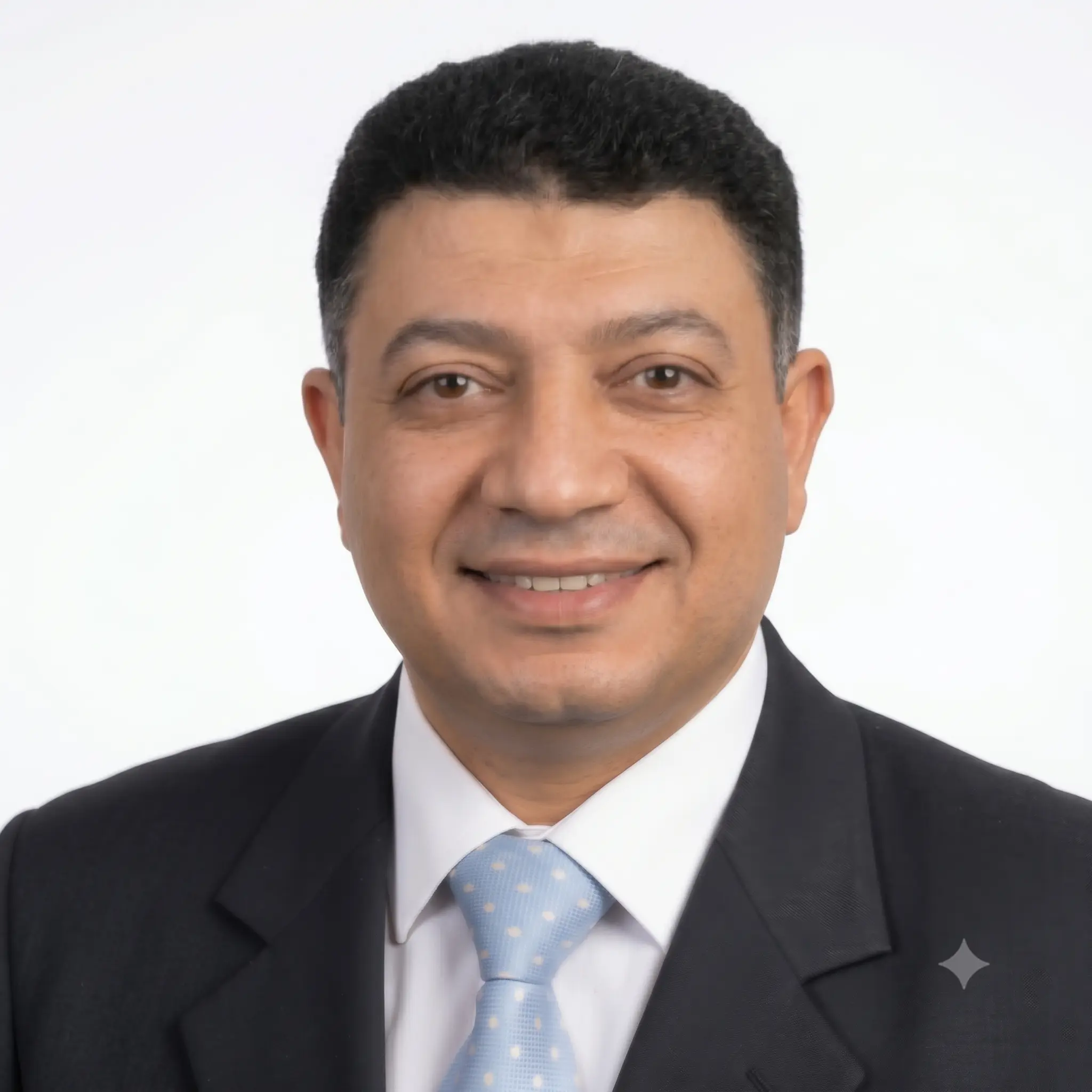
Ustadh Ahmed Mahmoud Abdulaziz is an experienced teacher of Arabic and the Holy Quran for native and non-native speakers. He holds a verified Ijazah in Hafs ‘an Asim and is certified in the foundational Tajweed texts Al-Jazariyyah and Tuhfat Al-Atfal. Drawing on his extensive background in traditional Quranic recitation and international pedagogy, he writes scholar-verified, accessible articles to help students worldwide master Tajweed rules and Arabic linguistics safely and accurately.