Start Your Study Journey Today
Book a FREE trial class with a certified Quran teacher. No payment, no commitment.
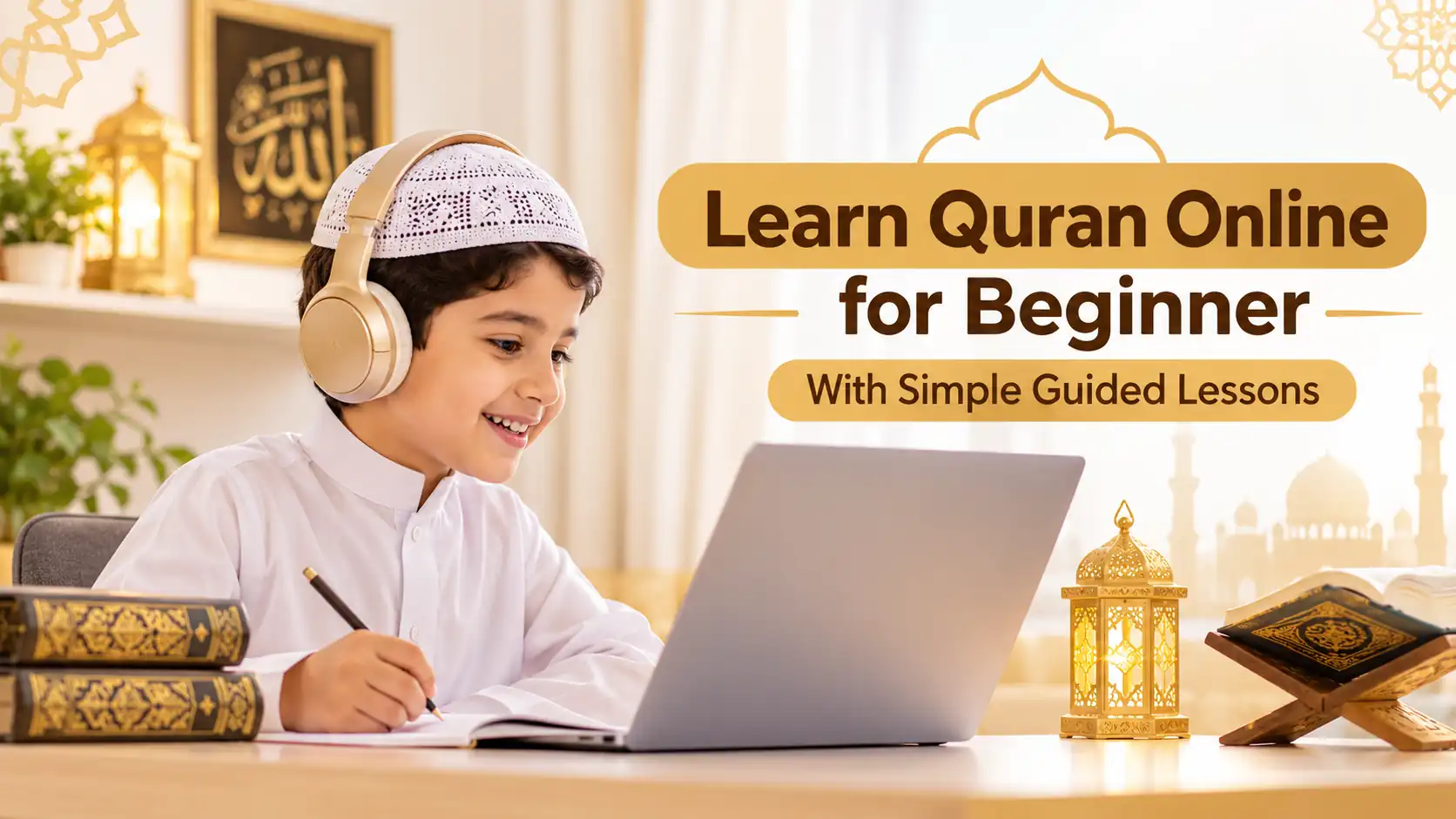
To learn Quran online for beginner level, book a free trial lesson first. Then learn the 28 Arabic letters, how they join, and the short vowel marks before you read full verses. Most beginners take 1 to 3 live classes a week and practice for about 15 minutes a day in between. Before you start, find out which step self-taught learners usually skip, and why it makes tajweed harder later.
How do you start learning the Quran online as a beginner?
Beginners start with letters, not verses. A sensible online path has 6 stages: a trial lesson, the alphabet, joined letters and vowel marks, short surahs, basic tajweed, and a daily routine you can keep. Each stage builds on the one before it, so jumping ahead usually means coming back later to fix the basics.
- Book a free trial lesson so a teacher can hear where you are.
- Learn the 28 Arabic letters by sound, with the teacher correcting each one live.
- Practice joined letters and the vowel marks fatha, kasra and damma, often with a primer such as the Noorani Qaida.
- Read short surahs from Juz Amma, starting with Al-Fatihah.
- Add basic tajweed, beginning with where each letter is pronounced in the mouth.
- Keep 15 minutes a day for practice, and review with your teacher every week.
The skipped step is usually number 3. People who go from the alphabet straight to verses guess at vowels, and those guesses become habits a teacher has to undo.
Memorise 1 Page of Quran a Day With a Simple Method
Can you learn the Quran if you don’t know Arabic?
Yes. Reading the Quran starts with sounds, not vocabulary, so you don’t need to speak Arabic to read it correctly. Many non-Arab Muslims recite fluently and still read a translation for the meaning. It helps to treat these as 2 skills: reading the Arabic text accurately, and understanding it.
Reading comes first because it’s needed for prayer. Understanding can grow alongside it, through a good translation now and an Arabic language course later, once you can read short surahs on your own. If you want to learn Quran online for beginner level and understand it too, add Arabic once short surahs feel easy.
What does a beginner learn first, and in what order?
The alphabet comes first, then joined letters and vowels, then short surahs, and only then the named tajweed rules. Moving on too early is the most common reason beginners stall. Use the right-hand column of this table as your check: if you can’t do it yet, stay on that stage a little longer.
| Stage | What you learn | You’re ready to move on when |
|---|---|---|
| 1. Letters | The 28 letters, their sounds and shapes | You can say every letter’s sound on sight |
| 2. Joining and vowels | Letter forms, fatha, kasra, damma, sukun, shaddah | You read 2- and 3-letter words without stopping |
| 3. Short surahs | Al-Fatihah and short surahs from Juz Amma | You read a short surah with only a few corrections |
| 4. Tajweed basics | Points of articulation, ghunnah, madd, qalqalah | Your teacher hears the rules in your reading |
| 5. Longer reading | Reading directly from the mushaf | You read a full page at a steady pace |
What happens in your first online lesson?
Your first lesson at Mubarak Academy is a free trial on Zoom, usually around 30 minutes long. The teacher listens to you read letters or a short surah, works out your level, and suggests where to begin. You only need a computer, tablet or phone with the Zoom app; the academy sends the link before class.
Nothing is expected of you before the trial. Saying “I don’t know any letters yet” is a perfectly good starting point.
Best Quran for Memorization and Long Lasting Hifz
A daily routine to learn Quran online for beginner level
A short daily routine does more than 1 long weekend session. About 15 minutes is enough at the start, as long as it happens every day, ideally at the same time. Tie it to a prayer so you don’t have to remember it, and save questions for your weekly class.
| When | What to do | Time |
|---|---|---|
| After Fajr | Read today’s lesson aloud | 10 minutes |
| Evening | Listen to a reciter read the same passage | 5 minutes |
| Once or more a week | Live class with your teacher | 1 class |
When should beginners start learning tajweed?
Tajweed starts in your first lesson, at the level of pronunciation. Saying each letter from its correct point of articulation (makharij) is already tajweed, and a wrong sound learned early is hard to fix. Named rules such as ikhfa, idgham and qalqalah come later, once you can read joined words smoothly.
Don’t let the rule names put you off. Your teacher will correct the sounds as you go, and when you’re ready for the rules themselves, tajweed classes online are the next step.
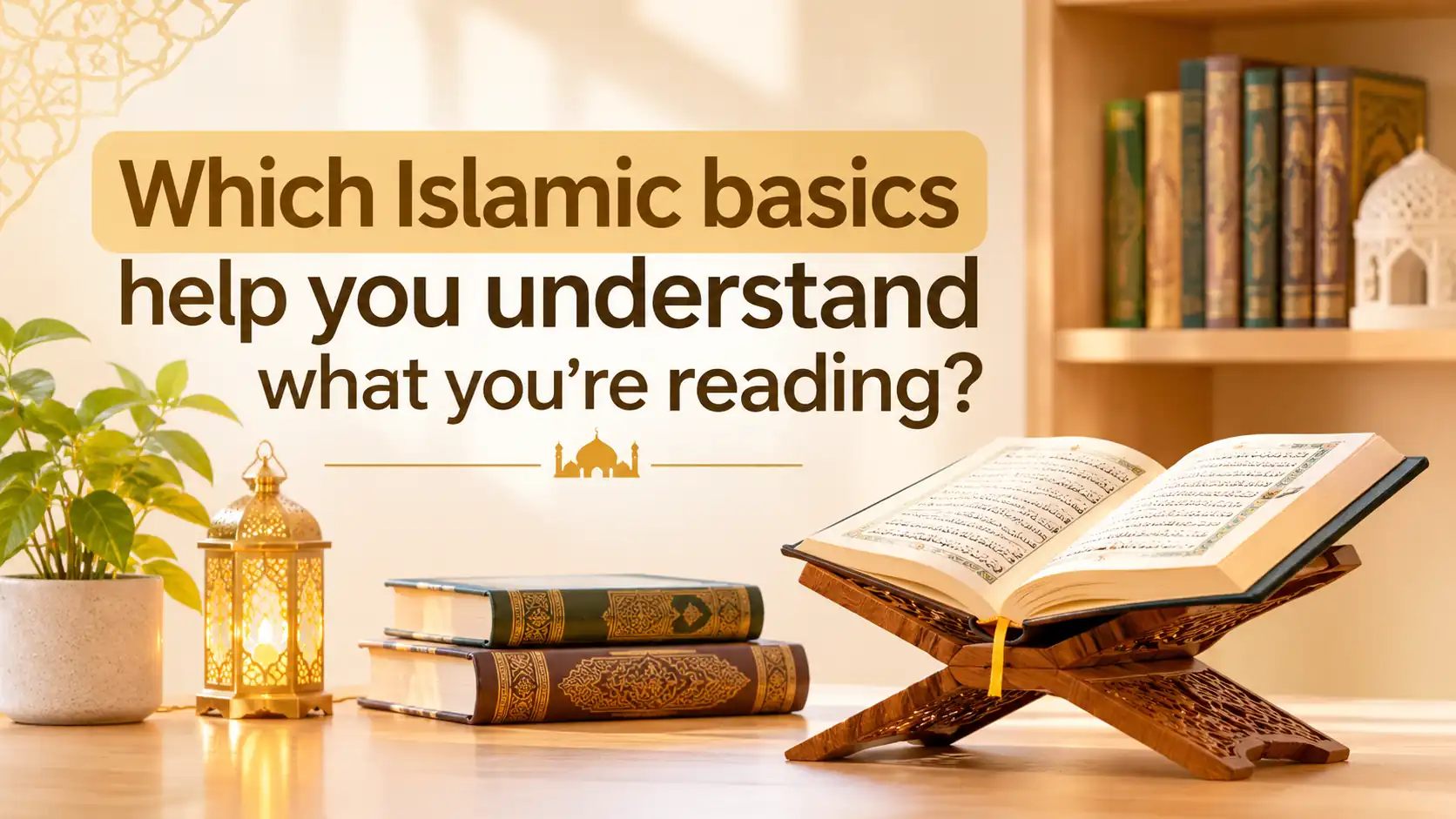
Which Islamic basics help you understand what you’re reading?
A few basics make the Quran easier to follow: the Shahada, the 5 daily prayers, and the meaning of Al-Fatihah, which you recite in every unit of prayer. You don’t need a full Islamic studies course before you start reading. Knowing why you recite, though, helps you stay consistent when the letters get hard.
Read also: How to Learn Islam Religion From Beginner to Practicing Muslim
How do you choose an online Quran teacher?
Look for a teacher who holds an ijazah or a recognized Quran qualification and corrects you live, not just through recordings. A good teacher also gives you a clear written plan after the trial lesson. For anyone who wants to learn Quran online for beginner level, these 5 questions are worth asking before you pay:
- Does the teacher have an ijazah, and from whom?
- Will they correct every letter, or only check you once a week?
- Is there a written plan for the next month?
- Can you switch between individual and group classes?
- What happens if you miss a class?
At Mubarak Academy, the teachers are native Arab educators with Al-Azhar-accredited degrees or the equivalent. The academy also says its teachers hold verified ijazah chains and have at least 5 years of teaching experience. Classes can be individual or in a group.
How much do online Quran classes cost?
Online Quran classes at Mubarak Academy cost from $24 to $72 a month, depending on whether you take 1, 2 or 3 classes a week. The academy’s pricing and plans page, checked in November 2026, says every plan includes a free trial class, 24/7 support and a completion certificate.
| Plan | Classes a week | Classes a month | Hours a month | Price a month |
|---|---|---|---|---|
| Plan A | 1 | 4 | 4 | $24 |
| Plan B | 2 | 8 | 8 | $48 |
| Plan C | 3 | 12 | 12 | $72 |
If you want to learn Quran online for beginner level around a full-time job, Plan A is a low-pressure way to build the habit. Taking 2 or 3 classes a week gets you through the letters and vowels faster, because the teacher catches mistakes before they settle in.
Can children and adults learn the same way?
Children and adults go through the same stages: letters, joining, short surahs, then tajweed. What changes is the format. Kids usually do best in short one-on-one lessons with a parent checking practice at home. Adults can choose individual or group classes and fit them around work.
For younger learners, the academy runs separate online Quran classes for kids. Adults who learn Quran online for beginner level often pick evening slots and a single weekly class at first.
Common beginner mistakes and how to fix them
Beginners who stall have usually made 1 of a few avoidable mistakes: rushing ahead to full verses, leaning on transliteration, or practicing only during class. None of these needs a new course to fix. Each has a simple change you can make this week, and your teacher can check it in your next class.
| Mistake | Fix |
|---|---|
| Reading full verses before knowing the vowel marks | Finish stage 2 before moving to surahs |
| Relying on English transliteration | Read the Arabic script from the first week |
| Practicing only during class | Keep a 15-minute daily slot |
| Switching apps and teachers every few weeks | Stay with 1 teacher and 1 plan for at least a month |
Ready to read your first surah with a teacher listening? Mubarak Academy’s first lesson is free. You can begin with a single live class a week with a native Arab teacher, the easiest way to learn Quran online for beginner level. Book your free trial lesson.
Frequently asked questions
Can women learn with a female teacher?
Yes, Mubarak Academy has both male and female teachers, so women and girls can ask for a female teacher. Mention it when you book your trial lesson so the academy can match you with the right teacher before your first class starts, rather than switching later.
Is learning the Quran online as effective as in person?
Yes, for reading the Quran, live online lessons work as well as in-person ones, because the teacher hears every letter and corrects it on the spot. When people learn Quran online for beginner level and struggle, the cause is usually an irregular schedule or no practice between classes, not the screen.
What if I miss a class?
You can request a make-up class at Mubarak Academy if you let the academy know at least 3 hours in advance. Make-ups are limited to 3 per monthly package, and you have to take them within that same month, so it’s worth rescheduling early rather than letting classes pile up.
Can I earn an ijazah later?
Yes. Once you read fluently with tajweed, the academy’s Quran ijazah course lets you recite to a teacher with a verified chain of transmission and earn an ijazah. Every monthly plan also comes with a completion certificate, which is separate from an ijazah.
Where should you start this week?
Book the trial this week and ask the teacher to test your letters first. If you already know them, start on joined letters and vowels; if you don’t, begin with the alphabet. Either way, set aside a 15-minute daily slot before you choose a plan.
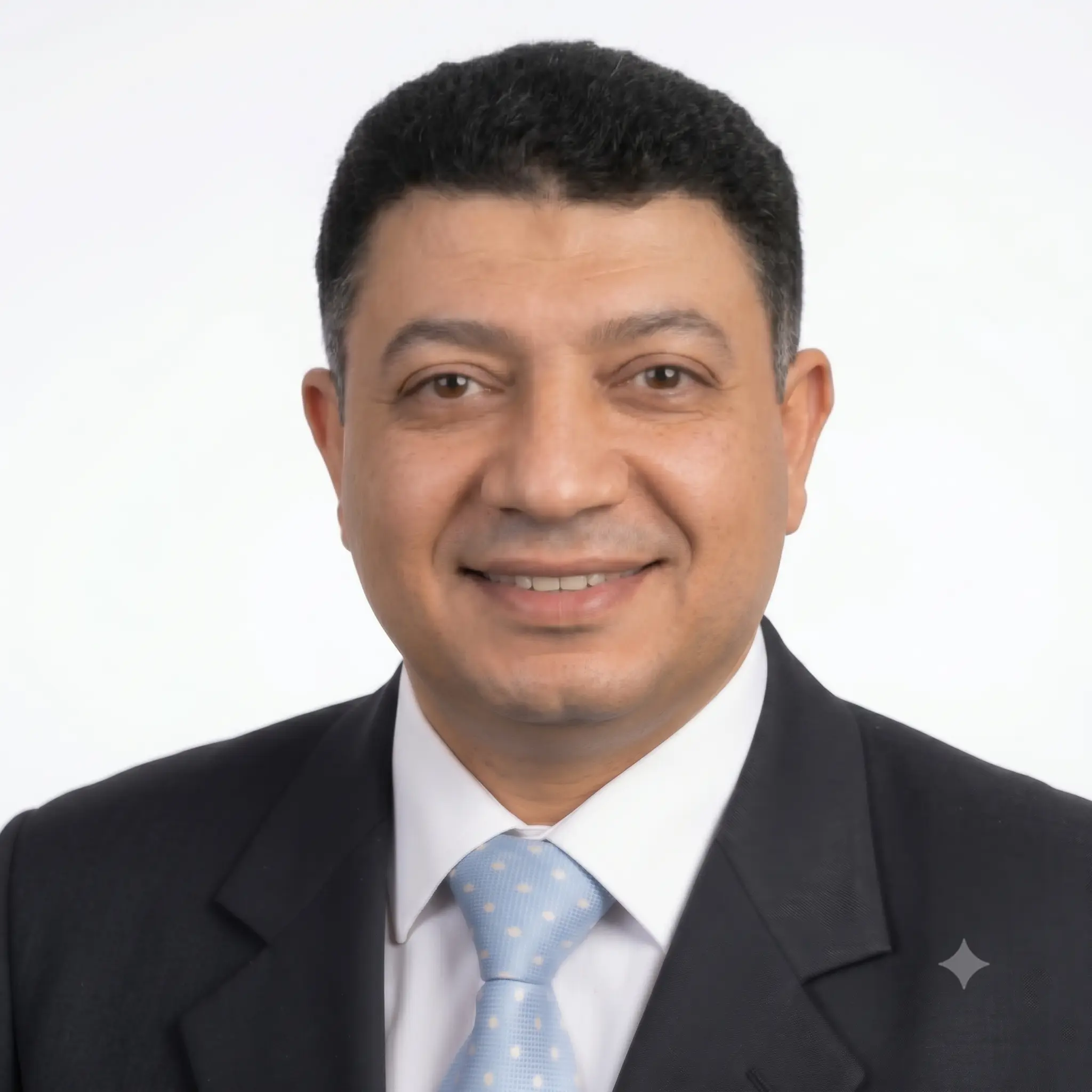
Ustadh Ahmed Mahmoud Abdulaziz is an experienced teacher of Arabic and the Holy Quran for native and non-native speakers. He holds a verified Ijazah in Hafs ‘an Asim and is certified in the foundational Tajweed texts Al-Jazariyyah and Tuhfat Al-Atfal. Drawing on his extensive background in traditional Quranic recitation and international pedagogy, he writes scholar-verified, accessible articles to help students worldwide master Tajweed rules and Arabic linguistics safely and accurately.