

One of the most challenging targets to have is to learn how to do Quran hifz in 6 months. This is not a marketing gimmick but a documented scheme that enables the student to learn the Quran in six months with the proper structure of daily study and review. You can decide for yourself if this is the right pace for you, with this timeline guide to what it entails and what comes after you finish.
Is It Possible to Memorize the Quran in 6 Months?
Yes, but primarily for the students who are able to devote a full-time commitment to it. If a standard Mushaf is 604 pages in 30 Juz, then the number of pages per day is 604 / 30 = 20.13, which is approximately 20 pages per day with no missed days.
Students who don’t finish aren’t necessarily lacking in talent; they’re just not consistent, and they don’t have a working system of revisions. The Quran hifz in 6 months will give more value to discipline than to speeding up because pages that are memorized without being reviewed will be forgotten easily.
How Many Pages Do I Need Daily?
Most 6-month plans are designed to produce 3-4 new pages a day, and higher-level students can produce 4-5. That is about half a Juz to a complete Juz each 1-2 days, which is much quicker than the normal 1-2 pages per year of year-long courses.
The number is not as important as the ratio. To memorize quran in 6 months new pages (sabaq) requires sabqi (revision of the previous 7 to 10 days) and manzil (revision of all memorized pages) for each page of new memorization. Missed overlook is the quickest method to quran hifz in 6 months.
Hifz Quran at Home Step by Step for Beginners
How Many Hours per Day Does It Take?
Plan 3-8 hours per day, based on structure. Full-time, residential programs typically spend 6-8 hours on memorization, consolidation, and evening review. This can be further condensed to 3 to 4 hours of focused online time if the sessions remain focused. Post Fajr sessions are popular for memorizing new material because the mind is clear before the distractions of daily activities start.
Can I Do It While Working Full Time?
The most difficult form of the goal. This leaves little time for anything else, which is why most teachers prefer to use a 1-year plan (1-2 pages of work per day) for working adults rather. Need to be time-blocked and plan it as if it were a second job.
Adults with full time jobs are more likely to participate in quran hifz for adults if it is conducted on a flexible schedule, such as online hifz classes, rather than a fixed schedule. The 5 am or 9 pm lesson tfull-timeinates the primary complaint of working adults: inflexible lesson times.
Online Hifdh Program for Quran Memorization Success
What Is the Best Daily Schedule?
A working Quran memorization timetable divides the day into three segments because the memorializing of new memorization decreases quickly in comparison to the review of memorized material.
- New memorization (sabaq): One session of memorization of 3-4 new pages in one session, preferably after Fajr.
- Recent review (sabqi): Reviewing all the stuff you learned in the past 7 to 10 days.
- Older review (manzil): this is a daily or weekly review of older material that is divided into 7 parts (manazil), reviewed one per day.
Do I Need a Teacher?
Yes, strongly recommended. A teacher helps you with tajweed before it becomes a habit and holds you accountable to the schedule. The chances of getting it wrong are slim, especially on a compressed timeline. Most students do not engage in self-learning but rather enroll in a structured course of memorization.
Best Female Hifz Teacher for Online Quran Memorization
What Are the Best Techniques to Memorize Fast?
Here are some methods to learn how to memorize quran fast:
- 3 line/3 verse units: memorize small units of words until secure, then connect with the next.
- The 10-10-10 method: say each unit 10 times, remember 10 times, and silently say it 10 times.
- Spaced Repetition: Review new pages at varying times, but not at the same time.
- One fixed Mushaf edition: the brain becomes accustomed to the layout of the pages, and changing prints confuse the recall.
- Manazil cycle: review 1 section every day over 7 days to maintain the freshness of older content.
How Do I Retain Quran After Memorizing?
The key to retention is to establish a plan for revising the Quran after hifz has been completed and to treat hifz as a way of life, not a goal. Most Huffaz do the same system that they used for memorization for years.
Students that cease active review tend to forget much of the material in months, as there is too much for passive review to hold up. A realistic quran revision plan involves using it from memory for prayers and, once a week, a session covering each part of the Quran in turn.
Should I Start With Juz Amma?
The most common advice is to start from Juz Amma (Juz 30, the last Juz). The surahs are short, vocabulary is repetitive, and the verses are easy to articulate, so it’s a good starting point to gain confidence and develop the ability to articulate them without error.
This is also beneficial during daily prayers as Juz Amma surahs are read during salah the most, and it motivates the students in the beginning because they see the memorized surahs being recited. It is particularly helpful for those trying to memorize the quran hifz in 6 months, for the earlier successes will help to keep the momentum going in the more challenging pages to come.
What Are Common Mistakes in Quran Memorization?
- Changing the Mushaf during the hifz, which affects the visual memory.
- Memorizing material in the same way that you would cram it for a test memorize once, forget later.
- Omission of tajweed for the sake of fast recitation, memorization of the wrong pronunciation.
- Establishing an inadequate daily page count that cannot be adequately reviewed.
- Learning with the teacher’s absence, errors are left uncorrected for weeks.

Can I Take Rest Days?
Since the Quran hifz in 6 months is based on a fixed target (6 months, 180 days, and 604 pages), there is very little room for error, and most plans avoid rest days for new memorization. If missed days occur frequently.
the pace has to be increased to make up for it, so this adds to the difficulty if missed days occur. This is an obvious sacrifice when compared with 1- or 2-year plans, which allocate lighter weeks to their schedules because they have more time.
Quran Hifz Classes for Ladies with Female Teachers Online
What If I Fall Behind?
Falling a few days behind is not an uncommon problem and can be overcome if caught early. The solution isn’t a doubling of the target of pages per day from one day to the next; it is a catch-up block, an additional 30 to 60 minutes per day over the next couple of sessions.
If the difference is a week or longer, stop all new memorization for a day or two to “catch up” with the backlog, then start memorizing at the previous pace. If you fall behind on a Quran memorization schedule, it means that you need to take it easy for a while but not give up on the schedule.
Learn Quran Reading With Tajweed For Beginners Step By Step
Is 6-Month Hifz Better Than 1 Year or 2 Years?
Neither is objectively better; they suit different circumstances.
| Timeline | Daily Pace | Daily Hours | Best Suited For |
|---|---|---|---|
| 6 months | 3 to 4 pages | 3 to 8 hours | Full-time students, sabbatical, gap year |
| 1 year | 1 to 2 pages | 2 to 4 hours | Working adults, university students |
| 2 years | 0.5 to 1 page | 1 to 3 hours | Busy professionals, parents, beginners |
Quran hifz in 6 months delivers the fastest completion and strongest momentum, but demands the fewest competing responsibilities. A 1-year or 2-year plan trades speed for sustainability, which often suits adults better.
How Do I Balance Tajweed and Speed?
Tajweed accuracy should never be sacrificed for page count, since mispronunciations memorized early are hard to unlearn. The safer sequence is mastering tajweed for a passage first, even if that slows the start, then building speed once pronunciation is automatic.
In practice, a teacher listens to each new page before it’s marked complete. Students who front-load tajweed accuracy in Quran hifz in 6 months typically move faster overall, since they aren’t forced to re-correct pages later.
Quran Verses on Parents in Arabic: Full Text, Transliteration & Meaning
What Comes After Completing It?
Finishing is a milestone, not a finish line; the long-term work is maintaining what’s memorized through consistent review. Most Huffaz move directly into a daily or weekly Manazil rotation, so no portion goes more than a week or two unrevisited.
Many also pursue an Ijazah, a certification confirming their recitation has been verified by a qualified teacher, opening the door to leading prayers or teaching others.
Learn Quran via Skype from the Comfort of your Home
Begin Your 6-Month Hifz Journey
Hifz is a journey that is different for every student, and there is no definite time frame for everyone. Your ability to remember, your knowledge of tajweed, the amount of time you have to study, and how consistent you are will all affect your rate of progress.
A qualified Quran teacher will guide you to create a realistic plan, to receive guidance for proper pronunciation and revision after learning, and to develop revision habits to help in long-term retention and not just completion.
Looking forward to starting your Quran hifz in 6 months? Enroll in a Taster class with mubarakacademy and be given a bespoke memorization plan, one-to-one attention by a qualified teacher and a planned revision schedule that will help you memorize with confidence and keep your Hifz with you for years to come!
FAQs
Do I need to know Arabic before starting Hifz?
No, it’s not about speaking or understanding Arabic, as they did not require that before they started Hifz. Vocabulary and grammar help develop a deeper understanding of the Qur’ān, but memorization requires regular repetition, proper pronunciation, and proper correction by a qualified teacher who guides your memorization.
What Mushaf edition should I use?
Any regular mushaf of 604 pages, 15 lines per page, can be used for hifz, but it is important that the mushaf be consistent. When choosing the first edition, try to stick with one throughout instead of switching to a different edition later because visual memory of page layout is important for rapid and accurate revisions of verses.
Can children and adults follow the same 6-month plan?
Yes, though the overall memorization goal may be the same, children and adults typically require different methods of learning. Adults need a plan and structure about work and family, and younger students need shorter blocks of time, more attentive supervision, and encouragement along the way.
How much does a structured hifz course cost?
The price of a structured quran memorization course can differ from one academy to another, depending on the qualifications of the teacher, the time of the lessons, and whether they are one-on-one or in groups. A bit of homework by looking at a few trusted programs and by taking a few of the free trial lessons can help you determine the best quality and value.
What happens if I miss a few days of memorization?
If someone misses a few days does not mean he has failed to reach his Hifz goal, it should only be taken care of promptly. Slowly get back on track by adding more review and catch up time, but still being accurate – so you can resume your normal memorizations without any pressure.
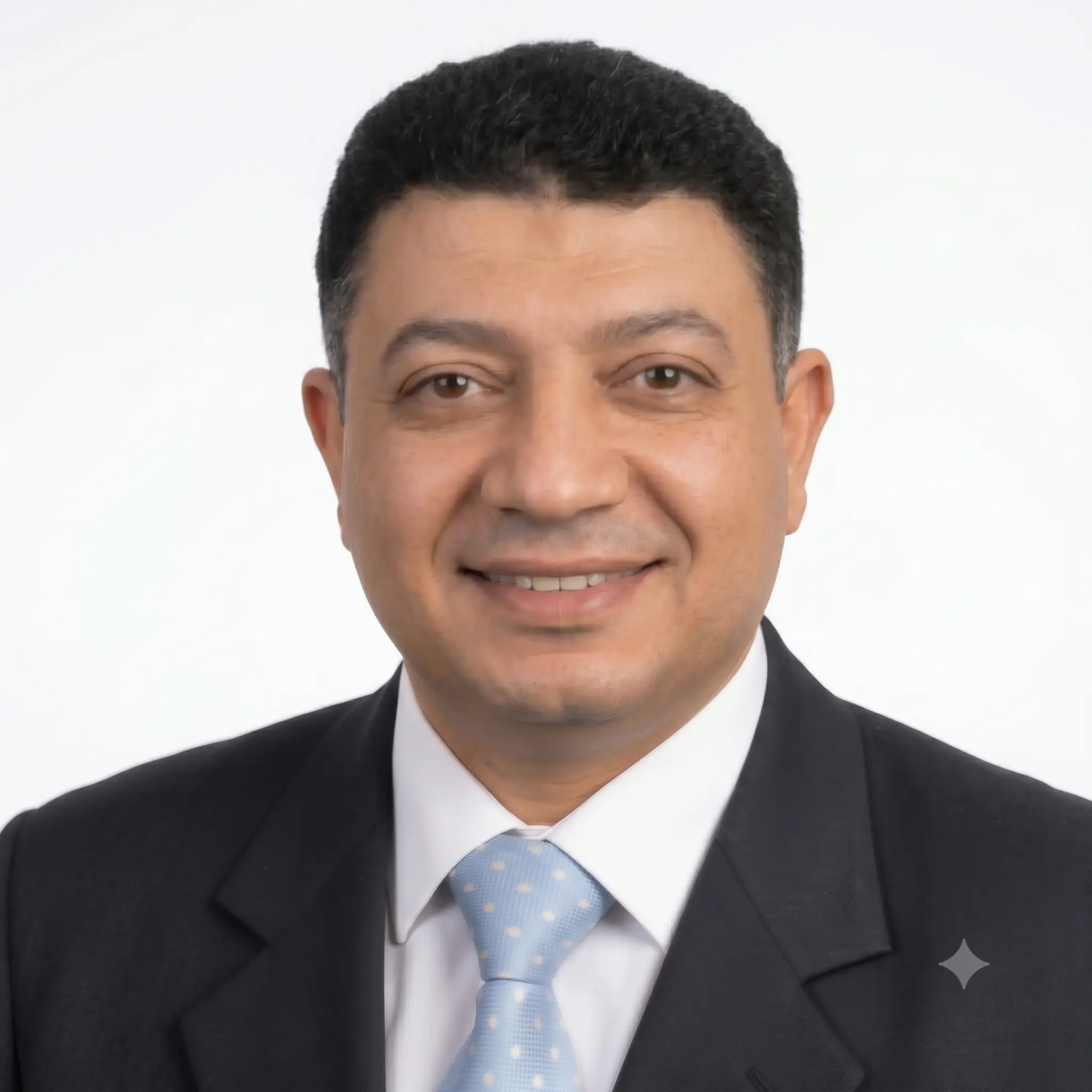
Ustadh Ahmed Mahmoud Abdulaziz is an experienced teacher of Arabic and the Holy Quran for native and non-native speakers. He holds a verified Ijazah in Hafs ‘an Asim and is certified in the foundational Tajweed texts Al-Jazariyyah and Tuhfat Al-Atfal. Drawing on his extensive background in traditional Quranic recitation and international pedagogy, he writes scholar-verified, accessible articles to help students worldwide master Tajweed rules and Arabic linguistics safely and accurately.