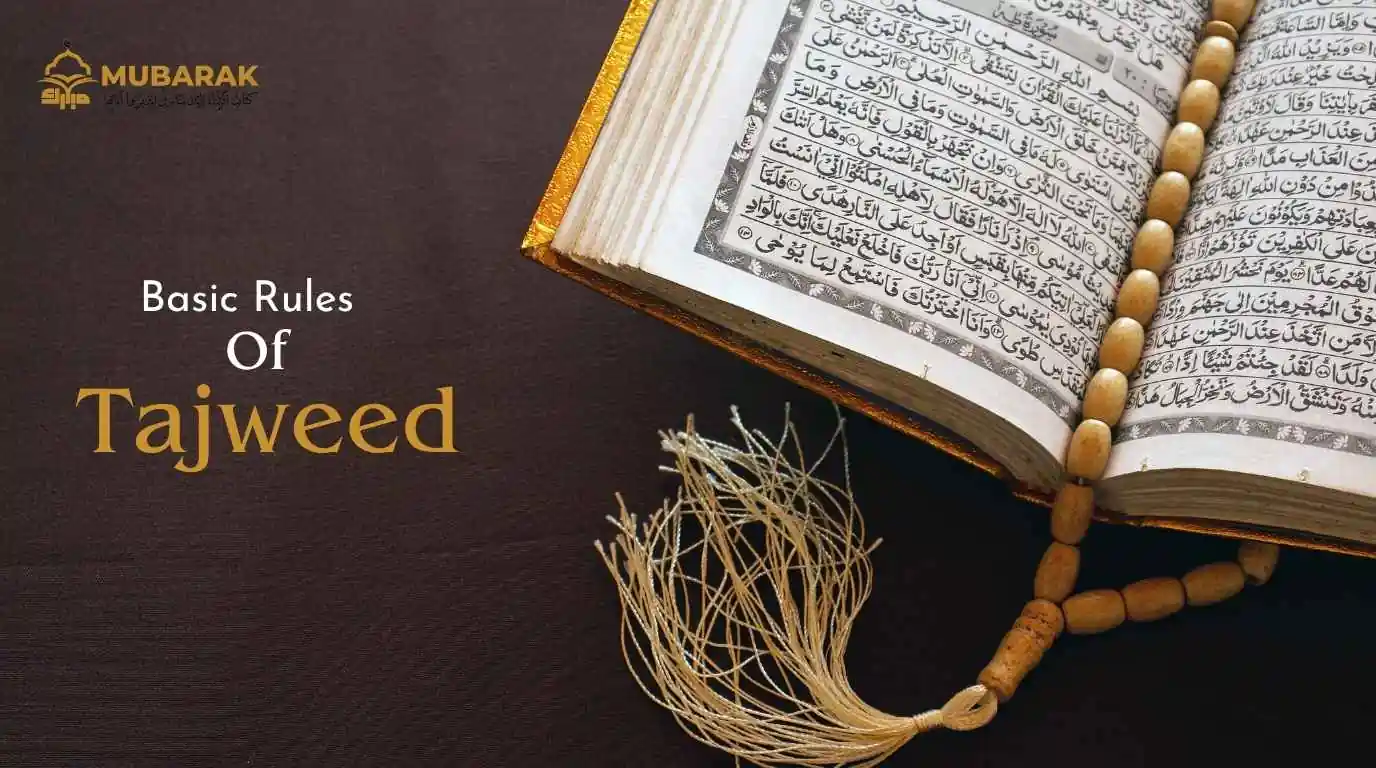
The basic rules of Tajweed exist for one purpose only to safeguard the exact pronunciation of the Quran as it was revealed. These are the basic rules of Tajweed, which provide a common basis for every reader, whether you are beginning your journey into Quranic recitation or have been studying for years. Makharij, Sifaat, Noon and Meem rules, Madd and more before going into deeper study.
What Tajweed is and why it matters?
“Tajweed” refers to the quran recitation rules , according to the same Tajweed rules that were presented to the Prophet (saws) and passed on to the students. It is because when one word’s meaning changes due to one letter being mispronounced.
One should be careful about the change and not alter the words of the Qur’an in any way, and that is why the rules of the Qur’an have been established, not for the purpose of beautification, but to prevent the text from being distorted.
The first things every beginner should learn:
Don’t begin with memorization speed begin with letter articulation. Tajweed for beginners is always in the following order:
- Practice the correct articulation point (Makharij) for every letter.
- Study the individual characteristics of each letter (Sifaat).
- Use the rules of Noon Sakinah, Tanween, and Meem Sakinah for connected words.
- Add Madd and Qalqalah when single letters are correct.
Makharij and why letter origin matters:
When a letter comes from one place in the mouth or throat, it’s makharij, and if you make a mistake, the letter’s sound will change completely. This is the Arabic articulation points map, which is one of the very precise points. 17 types of them in Arabic are recognized in 5 zones: the throat, tongue, lips, nasal passage, and oral cavity, and on these all other rules of Tajweed rest.
Explore more about Tafkheem and Tarqeeq in Tajweed
Sifaat and how letters differ?
Sifaat are the vowel characteristics that distinguish two letters that have the same Makharij, such as ص and س. The word “Makharij” is for “where,” and the word “Sifaat” is “how,” whether a letter is heavy, light, breathy, or firm, echoing or flat, giving each letter its final form.
Explore more about Comprehensive Quran Hifz Classes for Ladies
Noon Sakinah and Tanween rules:
noon sakinah rules and tanween rules are in use whenever a double vowel ending or a still Noon comes in front of the following letter. There are four possibilities:
- The letter “wizhar”: (called Izhar) is said clearly.
- Idgham: the Noon merges into the next letter.
- Rewrite Iqlab: the “noon” to become a “meem” sound.
- Ikhfa: the noon is hidden with light ghunnah.
Explore more about Idgham in Tajweed: Types, Rules, Letters, and Examples from the Quran
Meem Sakinah rules:
Meem Sakinah is still Meem with the next letter, and it plays by the same rules as Noon Sakinah but has 3 outcomes. If the letter following is a Ba, Ikfa Shafawi applies; if it is a Meem, which is not a Ba, then a Ba comes after it, but if it is another letter, except for a Ba, then that is Izhar Shafawi.
Explore more about Online Islamic Homeschooling
Madd basics for beginners:
Madd rules lengthen a vowel by two, four, or six counts beyond its natural length. The Madal Madd (Madd Asli) is 2 counts, and secondary Madd rules extend further when a hamzah or sukoon is next to the elongated letter.

Qalqalah made simple:
Five letters ق ط ب ج د are the ones which are bounced back when a sukoon appears on them, and the bounced sound is called qalqalah. The echo needs to be light and controlled, not exaggerated into an extra syllable, because “qalqalah” is one of the most common beginner corrections that a live teacher will give.
Explore more about Quran Stop Signs (Waqf): Symbols, Rules, and Examples
Heavy and light letters in recitation:
Heavy and light letters separate the Arabic sounds into two categories, one of which is called Tafkheem (heavy, thick letters such as ق, ط, ظ, etc.) and the other one Tarqeeq (light, thin letters such as ت, ك, ل, etc.). It’s subtle but enough of a variation to fool a trained ear into confusing them.
Explore more about quran memorization online
Sun letters and moon letters:
Sun letters can also take the definite article “ال” with them in the next letter, and the moon letters retain the sound of the letter Laam. This is the only difference that will impact the reading of almost all the Quranic nouns that start with “ال.”
Basic waqf and where to stop:
Waqf is the stopping at a marked place in the text without losing the meaning of the verse. Every waqf is accompanied by appropriate ibtida, and reciters know exactly where to pick up when they stop or start a phrase since pausing in the middle of a phrase can alter the meaning of a verse.
Explore more about Online Tajweed Course For Sisters
Common beginner mistakes:
The majority of basic rules of tajweed mistakes stem from not focusing on the basics for the sake of speed. The most common ones are:
- Makharif: Mixing up letters with the same Makharif as the same letters, e.g. ح and ه.
- Not eating any food at all on Noon and Meem.
- Using tajweed examples which one has learned from books but without anybody’s presence.
- If you read too fast before reading Makharij and Sifaat, it’s automatic.
The fundamental rules of Tajweed can be corrected early and this will make it difficult for these habits to become ingrained.
Explore more about Iqlab in Tajweed: Definition, Letter, Rules, and Examples from the Quran
A practical 30-day learning plan:
A concentrated 30 day learn tajweed online teaches the skills in the same order as they are needed by the novice:
| Week | Focus |
|---|---|
| 1 | Makharij and Sifaat, letter by letter |
| 2 | Noon Sakinah, Tanween, and Meem Sakinah rules |
| 3 | Madd rules and Qalqalah |
| 4 | Heavy/light letters, waqf, and full-verse practice |
This structure follows the same one used in the Tajweed Rules Course at Mubarak Academy, where the basic rules of tajweed are taught from isolated letters towards connected recitation.
Explore more about Ghunna in Tajweed: Meaning, Rules, Levels, and Quranic Examples
How to practice with a teacher?
Self-study will not identify tajweed pronunciation errors that students are not conscious of in their own pronunciation. Good teaching with a teacher is like this:
- Read a passage aloud and listen to the teacher read it.
- Get immediate correction of Makharij or Sifaat errors.
- Practice the sound again until correct.
- Go over the same basics of Tajweed every week until they are retained at a normal reading pace.
Book Your Free Tajweed Trial Class Today
Mastering basic rules of tajweed isn’t about memorizing terminology; it’s about Makharij, Sifaat, and the Sakinah rules becoming automatic enough that correct recitation stops requiring conscious thought. Mubarak Academy’s Tajweed Rules The course pairs each of these basic rules of tajweed with live, one-on-one correction from Al-Azhar-accredited teachers holding verified Ijazah chains, a structure that has already guided students across 20+ countries through the same 30-day progression.
Ready to correct your own recitation with a certified teacher? Start your free trial class with Mubarak Academy today no commitment is required to see how the first session goes.
Frequently Asked Questions
Can adults start learning Quran reading with Tajweed with no prior experience?
Yes. A basic learning sequence for Tajweed for adults starts with recognizing the Arabic letters, then progresses to Makharij and Sifaat at an adult-appropriate pace. Regular Quran recitation practice with a qualified teacher helps learners build confidence and steadily improve their recitation.
How long does it take to learn the basic rules of Tajweed?
Most beginners learn the basic rules of Tajweed, including Makharij, Noon and Meem Sakinah, Madd, and Qalqalah, within 4–8 weeks of consistent Quran recitation with a live teacher who corrects mistakes as they occur. Individual progress depends on practice and lesson consistency.
Is an online Tajweed course as effective as in-person learning?
Yes, when the online Quran classes are live and conducted in a one-on-one format. Real-time correction through video calls allows the teacher to identify and correct the same pronunciation mistakes that would typically be addressed during in-person lessons, without the need for travel.
Do I need to know Arabic before starting Tajweed lessons?
No prior Arabic knowledge is required. Programs designed for non-native speakers begin with Arabic alphabet recognition and the basic rules of Tajweed before introducing more advanced topics such as Sakinah and Madd. Students gradually develop accurate recitation skills without needing previous Arabic language experience.
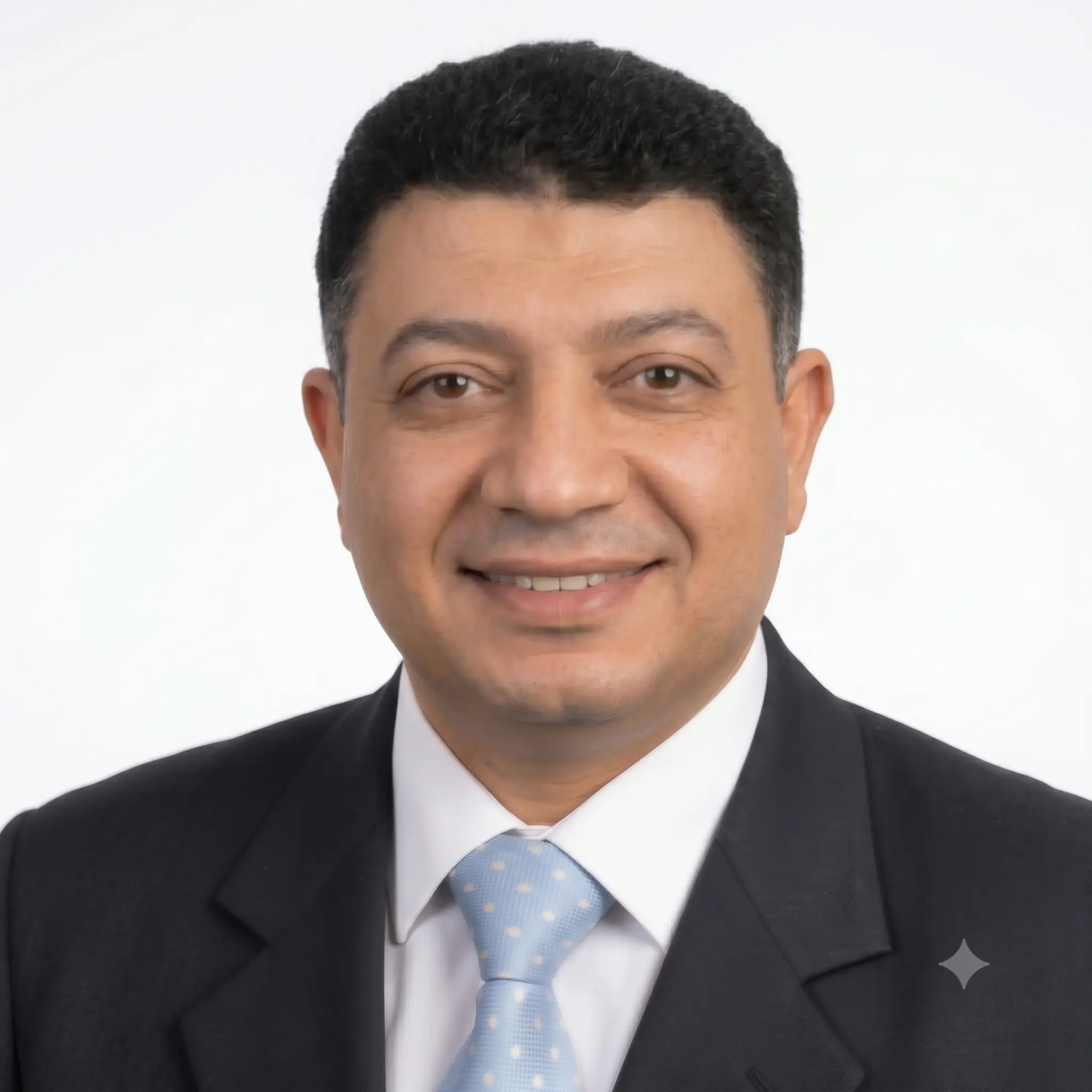
Ustadh Ahmed Mahmoud Abdulaziz is an experienced teacher of Arabic and the Holy Quran for native and non-native speakers. He holds a verified Ijazah in Hafs ‘an Asim and is certified in the foundational Tajweed texts Al-Jazariyyah and Tuhfat Al-Atfal. Drawing on his extensive background in traditional Quranic recitation and international pedagogy, he writes scholar-verified, accessible articles to help students worldwide master Tajweed rules and Arabic linguistics safely and accurately.